Wholesale Water Supply Manhole Covers
 en
en
Online Inquiry
Water Supply Manhole Covers Manufacturers
JF-Water Supply Manhole Cover: Lightweight Efficiency for Rapid Access
Designed specifically for water supply systems, JF-Composite’s Water Supply Manhole Cover redefines on-site efficiency with its ultra-lightweight construction. Weighing up to 70% less than traditional cast iron, these covers enable single-person handling—eliminating the need for cranes or multiple crews during installation, repair, or emergency inspections.
For water utilities, this means faster response times: maintenance teams can swiftly remove covers to access valves, meters, or pipelines, minimizing service disruptions and labor costs. The non-corrosive composite material resists water-induced rust, ensuring smooth lid removal even after years of underground exposure—no more stuck covers slowing down critical repairs.
Despite their featherlight feel, JF-Water Supply covers meet rigorous EN124 load standards (up to D400), guaranteeing durability under traffic loads. Their ergonomic design and optional lifting handles further simplify operations, making them the go-to choice for municipalities prioritizing speed, safety, and long-term reliability in water infrastructure management.
Choose JF-Composite—where lightweight innovation turns complex water system maintenance into a streamlined, hassle-free process.
-
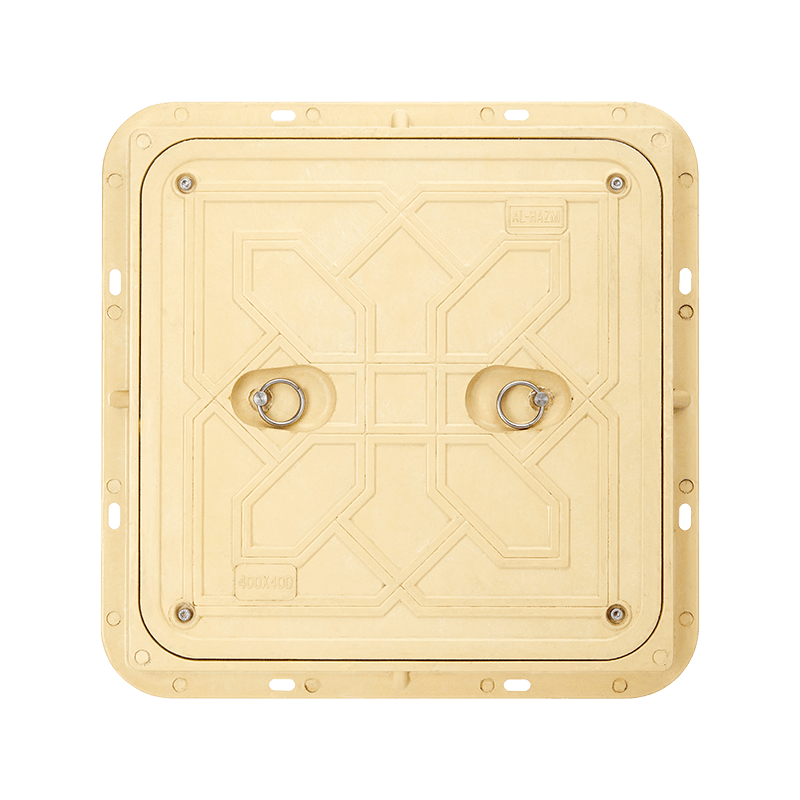


Square Manhole Cover for Water Supply, A15 Clear Open 400X400
CLEAR OPEN 400X400, A15
-
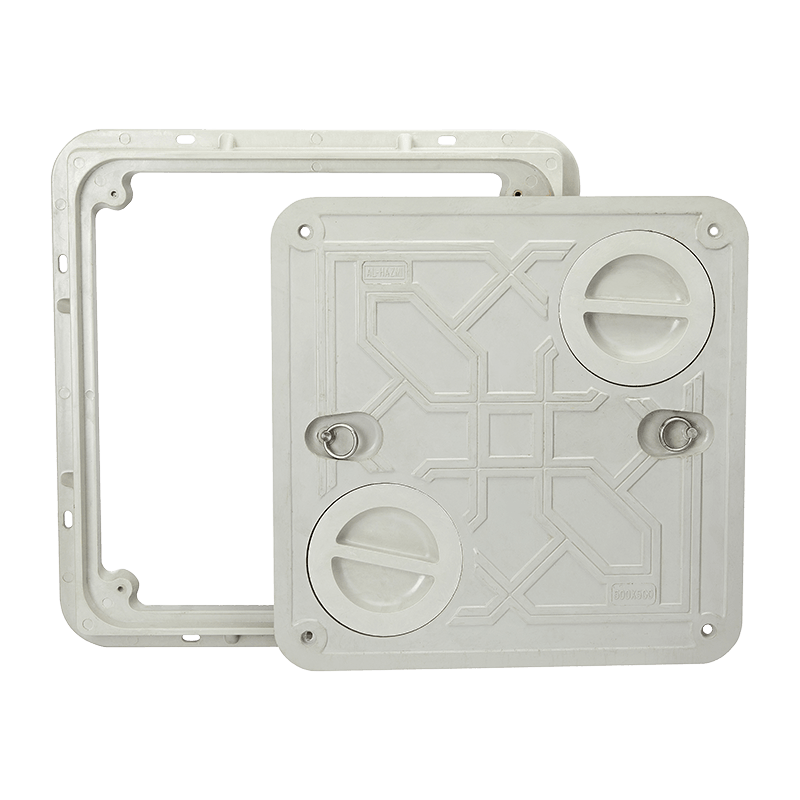
Pedestrian Use Square Type Water Supply Manhole Cover, A15 Clear Open 500X500
CLEAR OPEN 500X500, A15
-
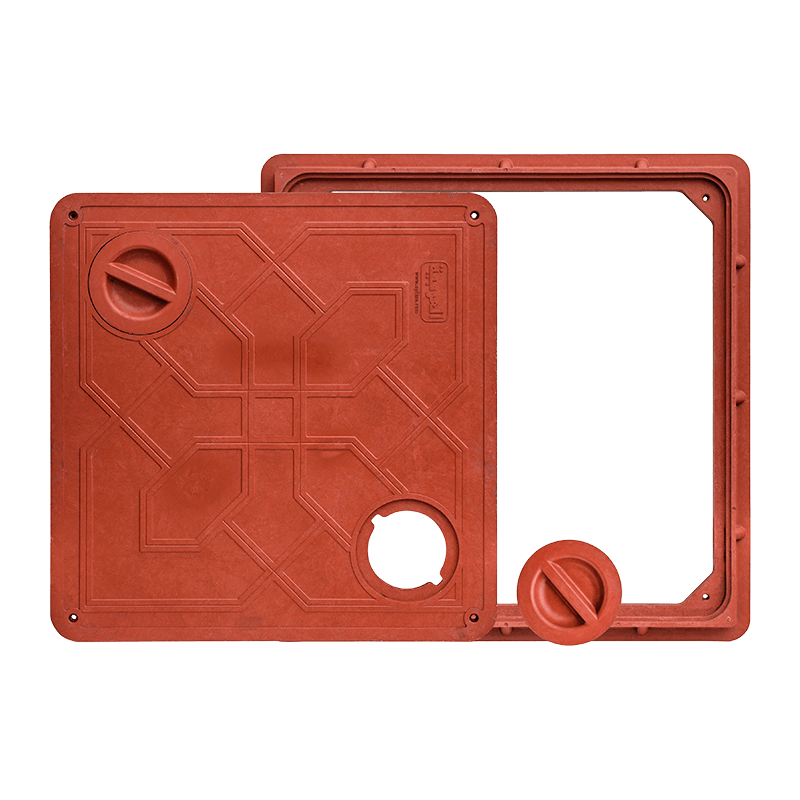
Durable Water Supply Manhole Cover, A15 Clear Open 700X700
CLEAR OPEN 700X700, A15
-
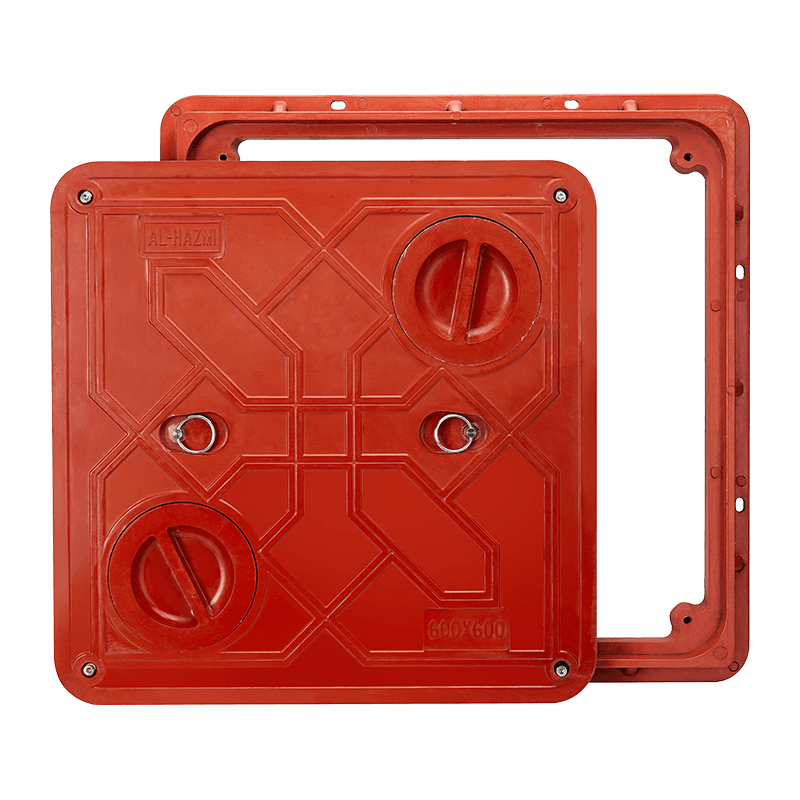
SMC Composite Water Supply Manhole Cover, A15 Clear Open 600X600
CLEAR OPEN 600X600, A15
JF-Water Supply Manhole Cover: Lightweight Efficiency for Rapid Access
Designed specifically for water supply systems, JF-Composite’s Water Supply Manhole Cover redefines on-site efficiency with its ultra-lightweight construction. Weighing up to 70% less than traditional cast iron, these covers enable single-person handling—eliminating the need for cranes or multiple crews during installation, repair, or emergency inspections.
For water utilities, this means faster response times: maintenance teams can swiftly remove covers to access valves, meters, or pipelines, minimizing service disruptions and labor costs. The non-corrosive composite material resists water-induced rust, ensuring smooth lid removal even after years of underground exposure—no more stuck covers slowing down critical repairs.
Despite their featherlight feel, JF-Water Supply covers meet rigorous EN124 load standards (up to D400), guaranteeing durability under traffic loads. Their ergonomic design and optional lifting handles further simplify operations, making them the go-to choice for municipalities prioritizing speed, safety, and long-term reliability in water infrastructure management.
Choose JF-Composite—where lightweight innovation turns complex water system maintenance into a streamlined, hassle-free process.
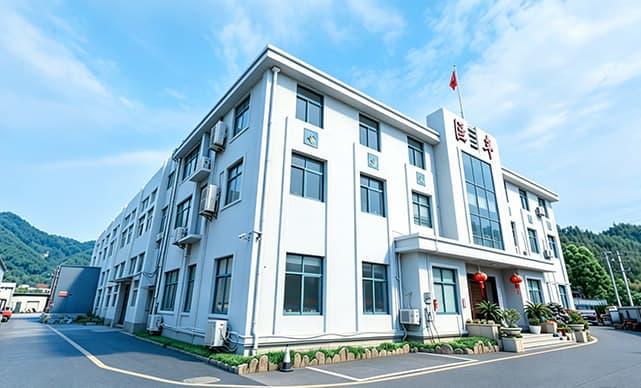
Hangzhou Jufeng Urban Support Equipment Co., Ltd.
Founded in 2002, Hangzhou Jufeng Urban Support Equipment Co., Ltd. has always been deeply rooted in the field of high-performance composite materials. We are not only one of the early-established and large-scale manufacturers of composite manhole covers in China, but also an innovator of industry concepts. Water Supply Manhole Covers Manufacturers in China, Water Supply Manhole Covers Suppliers.
Our modern production base covering more than 20,000 square meters has witnessed our strategic upgrade from a "standardized product manufacturer" to a "customized solution provider". We deeply understand that what customers purchase is not just manhole covers, but reliable load-bearing solutions, innovative material applications and professional engineering design support.
We provide composite material solutions tailored to the usage scenarios, load standards, and environmental requirements of different industries. Wholesale Water Supply Manhole Covers.
Different processes correspond to varying levels of structural complexity and precision. We can select the ideal manufacturing method based on your product structure, production volume, and performance requirements.
By adjusting the matrix and reinforcing materials, we can directionally enhance specific properties, ensuring the material truly adapts to its intended application.
At present, we serve municipal engineering firms, architectural designers, industrial equipment manufacturers and creative design companies in more than 30 countries, providing high-performance composite material customization solutions for various scenarios such as subways, airports, ports and commercial complexes.
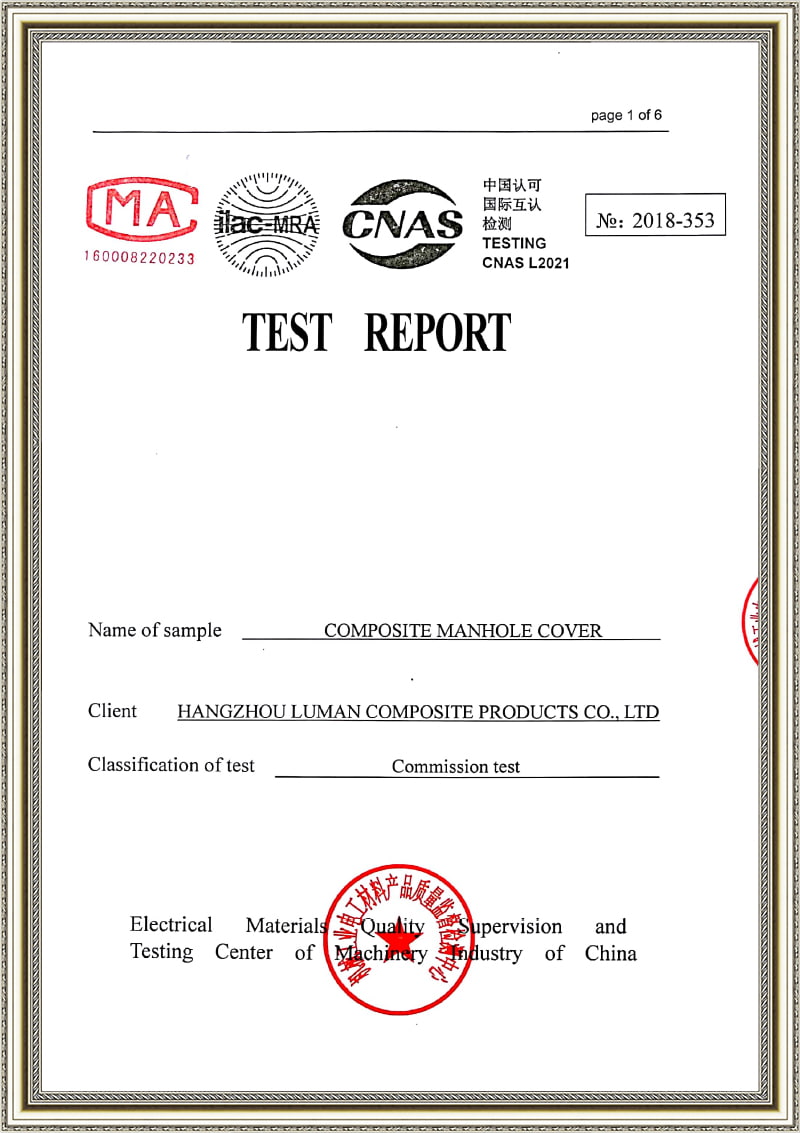
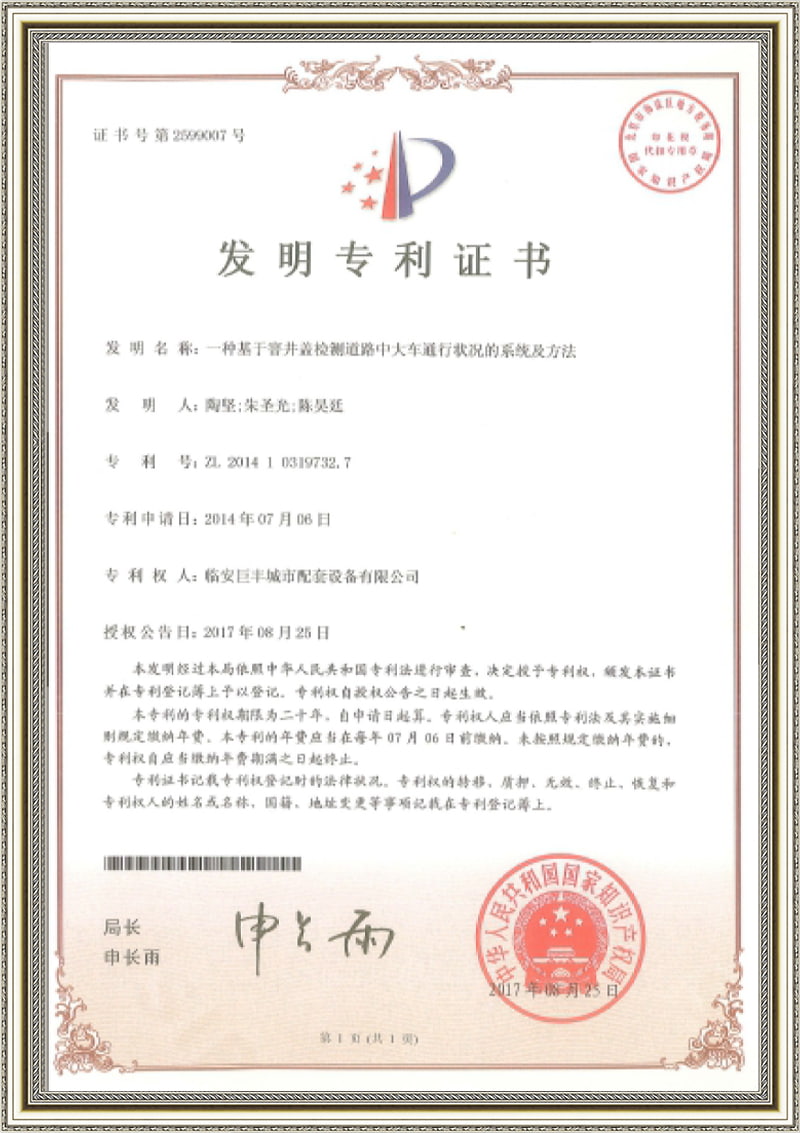
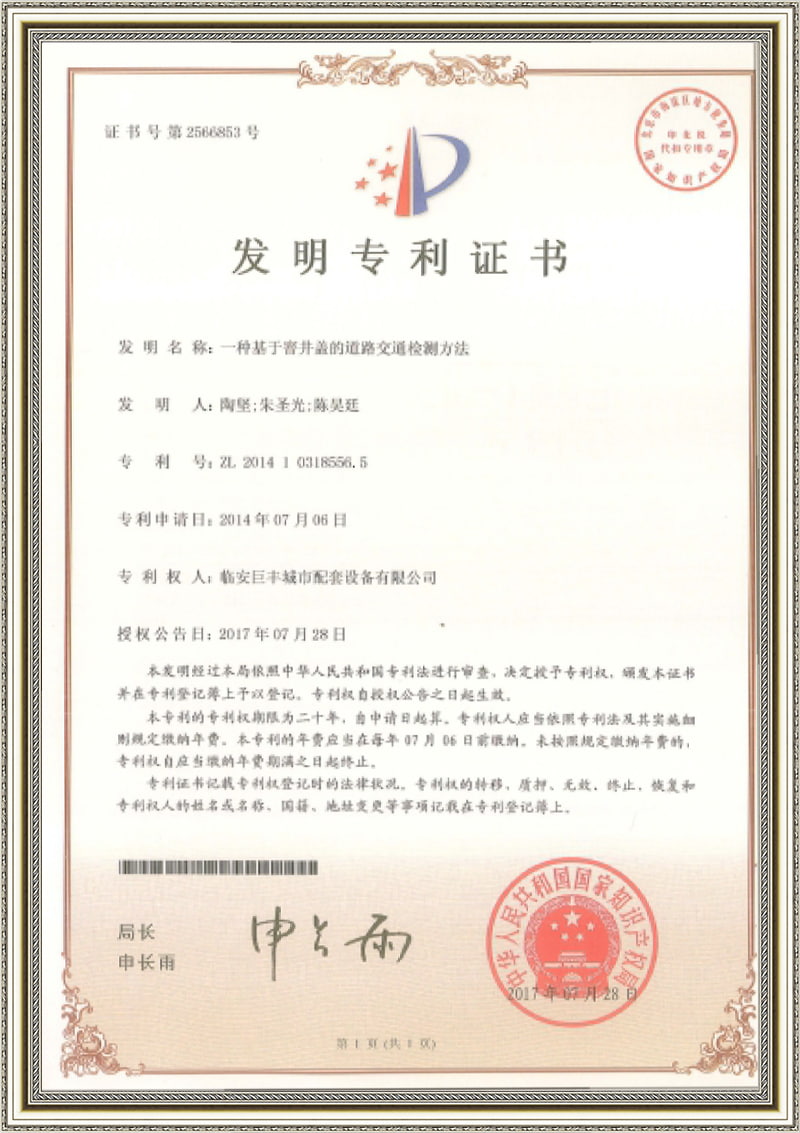
Certificate
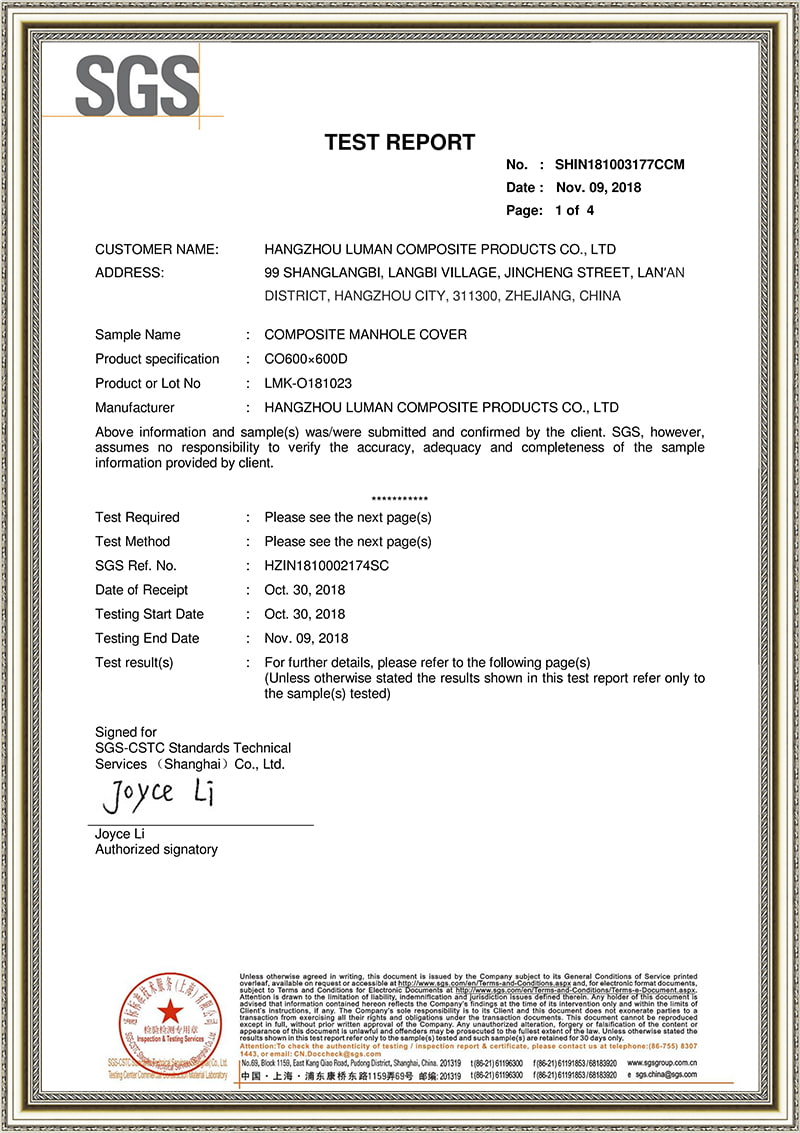
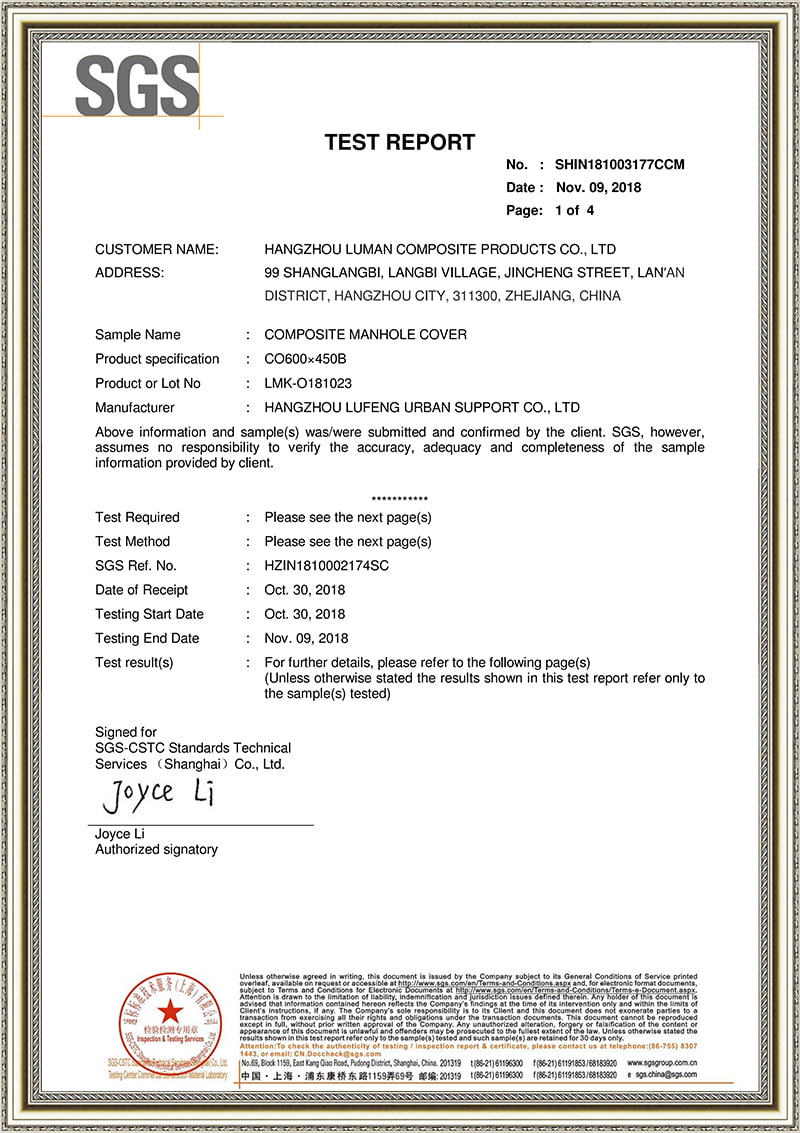
Customization Process
HOW TO START YOUR CUSTOM PROJECT
-
 01
01
Needs Communication
Share your scenarios, challenges, and expectations with us.
-
 02
02 Solution Design
Our technical team provides material selection, structural design, and process recommendations.
-
 03
03 Sample Prototyping
Fast response with physical samples for verification.
-
 04
04 Mass Production
Reliable quality and on-time delivery supported by our flexible production lines.
-
 05
05 Continuous Support
Ongoing technical consultation and after-sales follow-up.
NEWS AND
INFORMATION
INFORMATION
Stay updated with Jufeng's news and information, keep abreast of industry trends, and we will provide
you with relevant information and news.
-
JUFENG INFORMATIONOct 13, 2026Explore more
-
JUFENG INFORMATIONOct 08, 2026Explore more
-
JUFENG INFORMATIONSep 28, 2026Explore more
Industry Knowledge
Material Inertness Requirements for Covers Near Potable Water Infrastructure
Water supply manhole covers sit above valve chambers, meter pits, and distribution network access points, and while the cover itself is rarely in continuous contact with treated water, its proximity to the chamber means resin selection still matters more than buyers often assume. Groundwater infiltration, condensation, and splash-back during valve operation can bring the underside of a cover into intermittent contact with water that ultimately reaches the distribution system, which is why specifiers increasingly ask for documentation on leachate behavior rather than assuming any composite formulation is automatically suitable. Standards such as NSF/ANSI/CAN 61 govern components with direct or indirect drinking-water contact, and while a cover is a secondary rather than primary contact item, referencing this framework during material selection helps avoid specifying a resin system with additives that could migrate into a chamber environment over time.
Founded in 2002 and rooted in high-performance composite material development, Hangzhou Jufeng Urban Support Equipment Co., Ltd. treats this distinction as part of its engineering design support rather than an afterthought, since a water utility client's real requirement is a reliable long-term barrier over a sensitive access point, not simply a cover that meets a load class.
Chemical exposure differs from wastewater applications
Unlike sewer or drainage covers, which are formulated primarily to resist hydrogen sulfide and organic acids, water supply covers more often need resistance to residual chlorine or chloramine vapor near disinfection points, along with the freeze-thaw cycling common at shallow valve chamber depths. Selecting a resin system without accounting for this distinction can shorten service life even when the load rating and outward appearance look identical to a standard composite cover.
Sealing Performance and Watertight Design for Valve Chamber Access Points
Groundwater intrusion into a valve chamber is a persistent problem for water utilities, since infiltrating soil and surface water can carry sediment, bacteria, or contaminants that interfere with valve operation and corrode metal fittings inside the chamber. A properly specified cover addresses this through a continuous gasket seal at the frame interface, engineered to maintain compression even as the surrounding pavement settles or shifts seasonally.
- EPDM or nitrile gasket rings are selected based on expected contact with fuel, oil, or chemical runoff at the surface
- A stepped seating recess distributes gasket compression evenly, reducing the risk of a localized gap forming under repeated traffic loading
- Bolted or hinged frame connections keep sealing pressure consistent even during frequent valve inspection access
- Drainage channels can be integrated into the frame to direct any surface water away from the chamber rather than allowing pooling at the seal line
This sealing performance is particularly relevant for utility networks serving coastal cities or regions with high water tables, where the access point is essentially fighting hydrostatic pressure from below as much as traffic loading from above.
Color Coding and Identification Conventions Across Utility Networks
Utility identification errors during excavation remain a leading cause of accidental strikes on buried infrastructure, and cover color, embossed lettering, or logo marking is one of the simplest risk-reduction measures available at the surface level. While conventions vary by country and municipality, a consistent internal marking policy across a network reduces confusion for field crews working across multiple utility types on the same street.
| Utility Type | Common Marking Convention | Typical Embossing |
|---|---|---|
| Water supply | Blue accent or blue lettering | "WATER" or utility logo |
| Sewer or drainage | Standard grey or unmarked | "SEWER" or "STORM" |
| Telecom | Orange accent common in many regions | "TELECOM" or carrier logo |
Because composite covers accept custom logos and lettering during the molding process rather than requiring a secondary stamping step, water utilities have more flexibility to standardize this kind of identification across an entire network without incurring the added cost that engraving on cast metal typically requires.
Lightweight Handling for High-Frequency Valve Chamber Access
Water distribution networks require far more frequent chamber access than most other underground utility types, since routine valve exercising, leak detection surveys, and meter reading all involve repeated opening and closing of the same access point over a service life measured in decades. Traditional cast iron water supply manhole covers in this role often exceed the safe manual handling weight recommended for single-worker lifting, which increases both labor cost and injury risk across a large network with thousands of access points.
Composite alternatives typically weigh a fraction of an equivalent cast iron cover at the same load class, which is a meaningful operational factor for utilities managing frequent field visits rather than occasional emergency access. Serving municipal engineering firms and industrial equipment manufacturers across more than 30 countries, project teams sourcing Water Supply Manhole Covers for large distribution networks routinely weigh this handling advantage against upfront material cost, since the labor savings compound significantly once a network reaches a certain density of access points.
Having grown from a standardized product manufacturer into a customized solution provider, Hangzhou Jufeng Urban Support Equipment Co., Ltd. works with water utility clients to align cover weight, gasket configuration, and marking convention with the specific access frequency and chamber depth found at each site, rather than defaulting to a single specification across an entire municipal network. For projects requiring a documented technical basis before approval, our teams can also route buyers back to the same Water Supply Manhole Covers reference page for dimensional and load class detail during the proposal stage.
GET IN TOUCH
FOLLOW US
QUICK LINKS
PRODUCTS CATEGORY
CONTACT US
- Phone: +86-571-63701828
- E-mail: info@jf-luman.com
qin@jf-luman.com - Whatsapp: +86 13175123702
- Address: Langbi Industrial Zone, Jincheng Sub-district, Lin'an District, Hangzhou City, Zhejiang Province
Copyright © Hangzhou Jufeng Urban Support Equipment Co., Ltd.
All Rights Reserved. Water Supply Manhole Covers Suppliers in China
All Rights Reserved.
Water Supply Manhole Covers Suppliers in China