OEM/ODM SMC Composite Wash Basin

 en
en
Online Inquiry
SMC Composite Wash Basin Manufacturers
This composite material washbasin redefines the bathroom experience with innovative technology. Utilizing SMC aerospace-grade composite material, it is molded in one piece under high temperature and pressure, breaking through the processing limitations of traditional ceramics and stone. The product achieves a truly seamless design, with the countertop and basin forming a unified whole, eliminating the risk of dirt accumulation and leakage at the source – a dual innovation in materials and structure.
Its innovation also lies in its "customizable" capability, easily achieving irregularly shaped edges, integrated backsplashes, and personalized colors and textures to meet the design needs of modern minimalism and high-end customization. Simultaneously, the material itself possesses natural antibacterial properties, and its dense, water-repellent surface, combined with a rapid installation system, increases construction efficiency several times over. We have redefined the manufacturing methods and application boundaries of washbasins, bringing a cleaner, freer, and more efficient innovative solution to modern bathroom spaces.
-
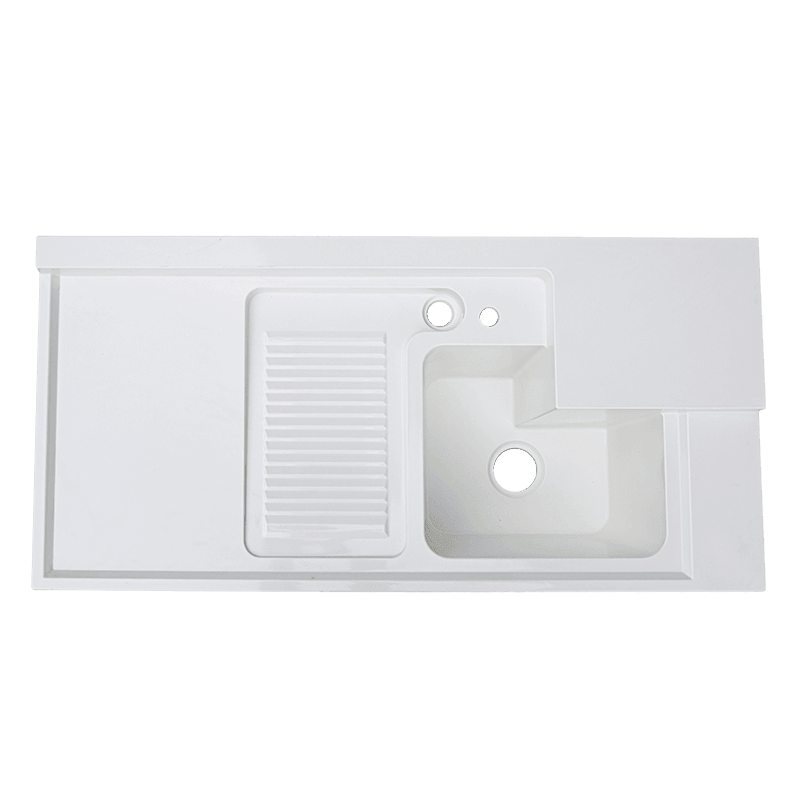


JF - Space-Saving SMC Composite Wash Basin
Upgrade your utility space with the JF Wash Basin Series, the laundry sink engineered for performanc
-
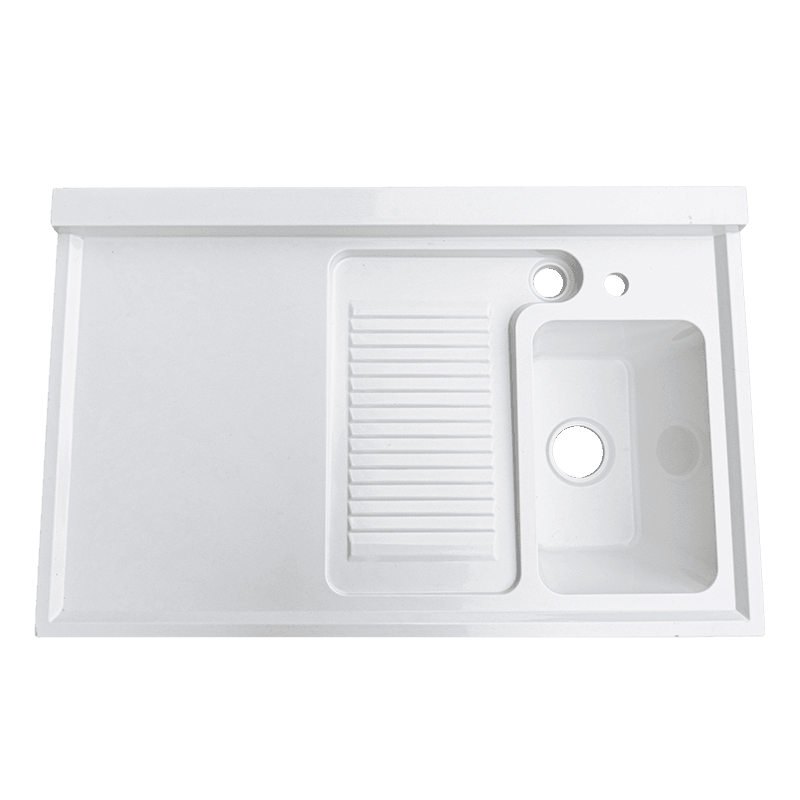
JF - SMC Composite Wash Basin for Bathroom Shower Room
Upgrade your utility space with the JF Wash Basin Series, the laundry sink engineered for performanc
This composite material washbasin redefines the bathroom experience with innovative technology. Utilizing SMC aerospace-grade composite material, it is molded in one piece under high temperature and pressure, breaking through the processing limitations of traditional ceramics and stone. The product achieves a truly seamless design, with the countertop and basin forming a unified whole, eliminating the risk of dirt accumulation and leakage at the source – a dual innovation in materials and structure.
Its innovation also lies in its "customizable" capability, easily achieving irregularly shaped edges, integrated backsplashes, and personalized colors and textures to meet the design needs of modern minimalism and high-end customization. Simultaneously, the material itself possesses natural antibacterial properties, and its dense, water-repellent surface, combined with a rapid installation system, increases construction efficiency several times over. We have redefined the manufacturing methods and application boundaries of washbasins, bringing a cleaner, freer, and more efficient innovative solution to modern bathroom spaces.
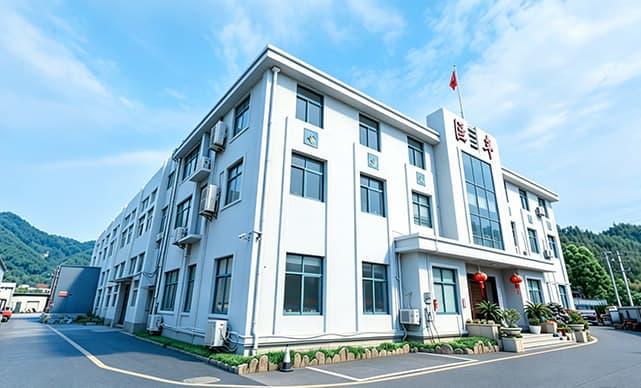
Hangzhou Jufeng Urban Support Equipment Co., Ltd.
Founded in 2002, Hangzhou Jufeng Urban Support Equipment Co., Ltd. has always been deeply rooted in the field of high-performance composite materials. We are not only one of the early-established and large-scale manufacturers of composite manhole covers in China, but also an innovator of industry concepts. SMC Composite Wash Basin Manufacturers in China, Composite Wash Basin Suppliers.
Our modern production base covering more than 20,000 square meters has witnessed our strategic upgrade from a "standardized product manufacturer" to a "customized solution provider". We deeply understand that what customers purchase is not just manhole covers, but reliable load-bearing solutions, innovative material applications and professional engineering design support.
We provide composite material solutions tailored to the usage scenarios, load standards, and environmental requirements of different industries. Wholesale SMC Composite Wash Basin.
Different processes correspond to varying levels of structural complexity and precision. We can select the ideal manufacturing method based on your product structure, production volume, and performance requirements.
By adjusting the matrix and reinforcing materials, we can directionally enhance specific properties, ensuring the material truly adapts to its intended application.
At present, we serve municipal engineering firms, architectural designers, industrial equipment manufacturers and creative design companies in more than 30 countries, providing high-performance composite material customization solutions for various scenarios such as subways, airports, ports and commercial complexes.
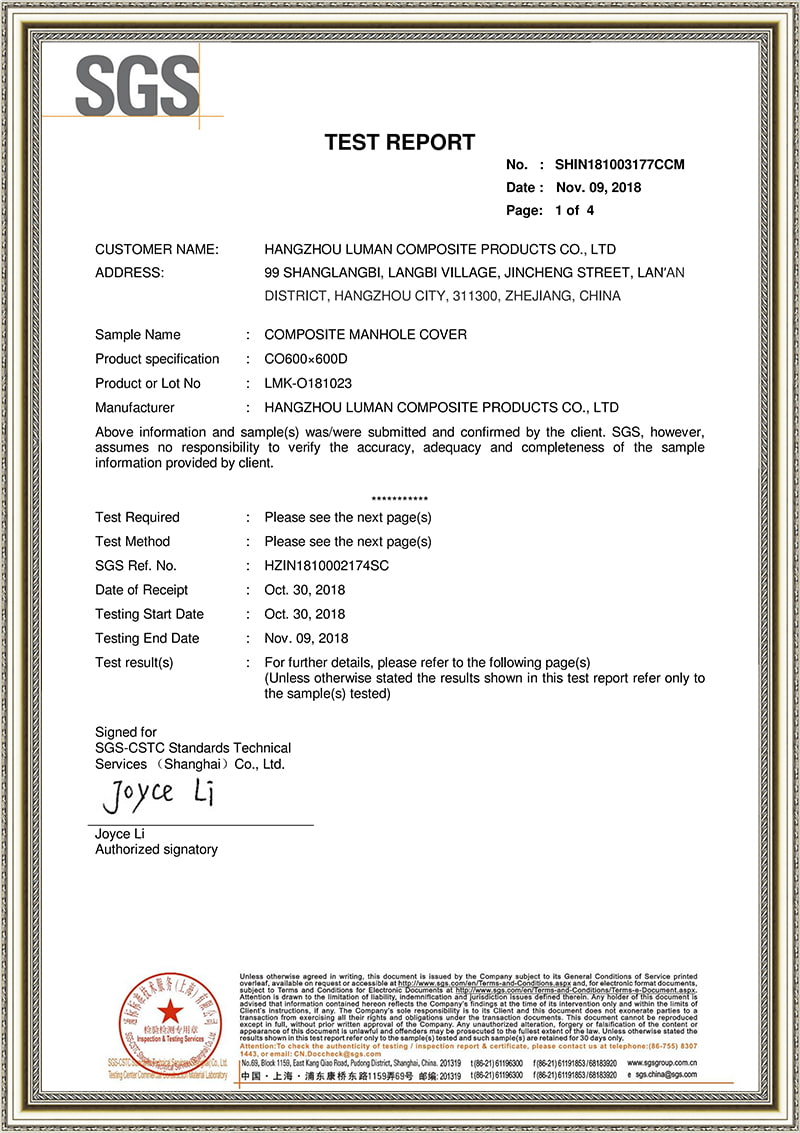
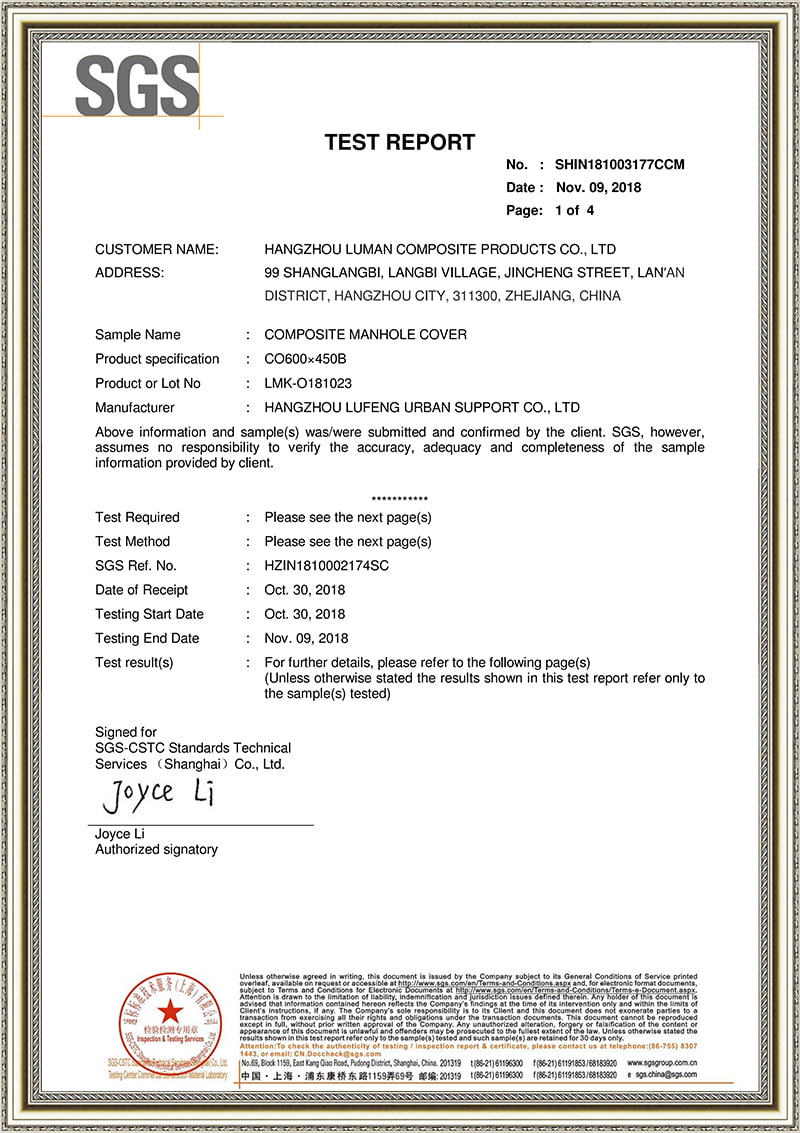
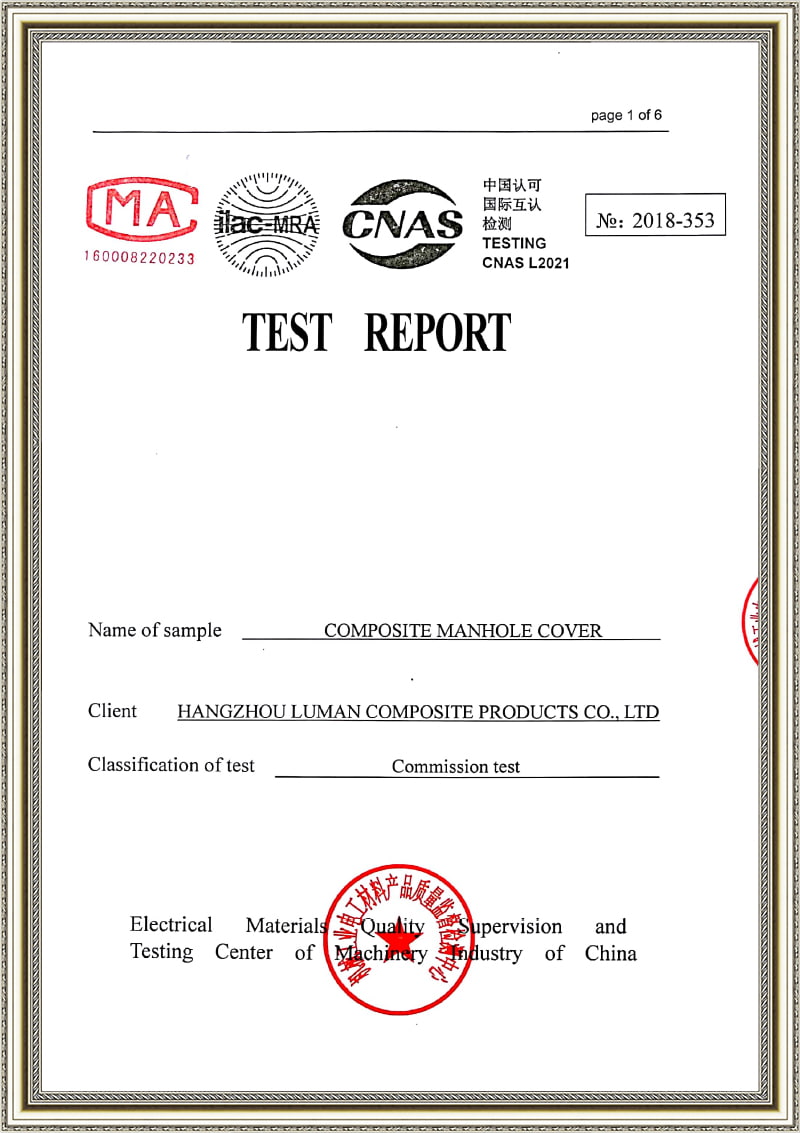
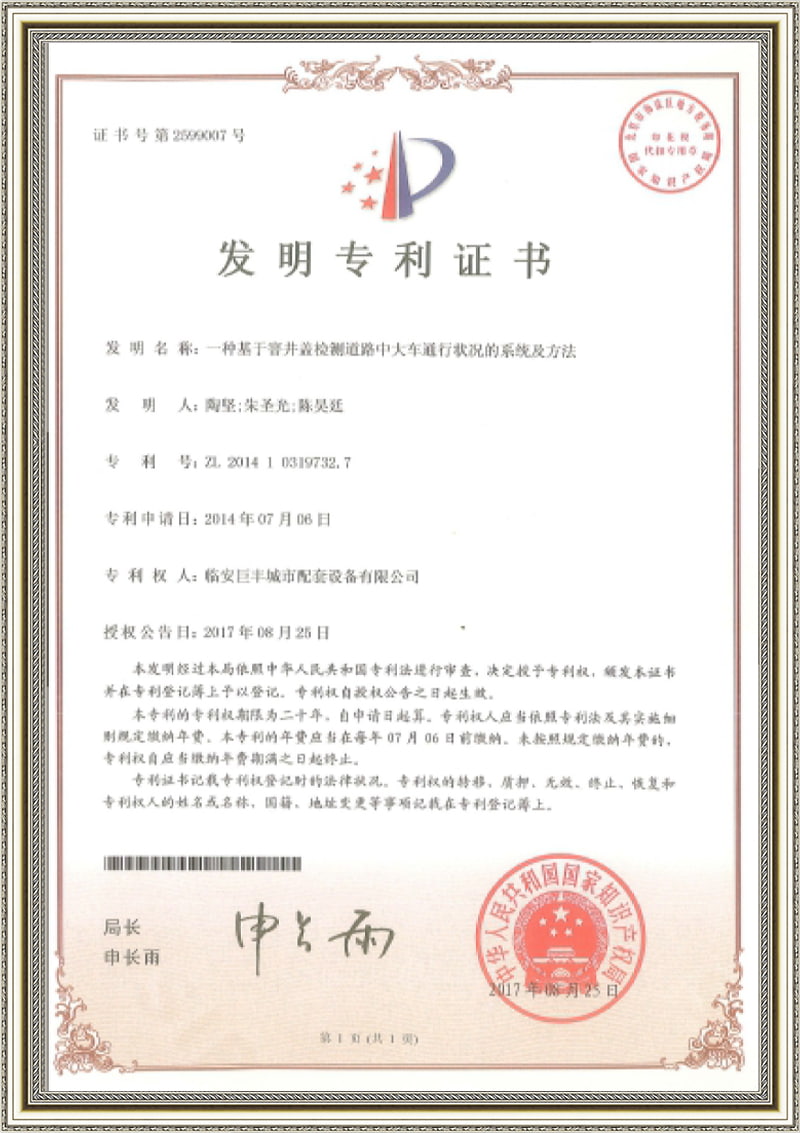
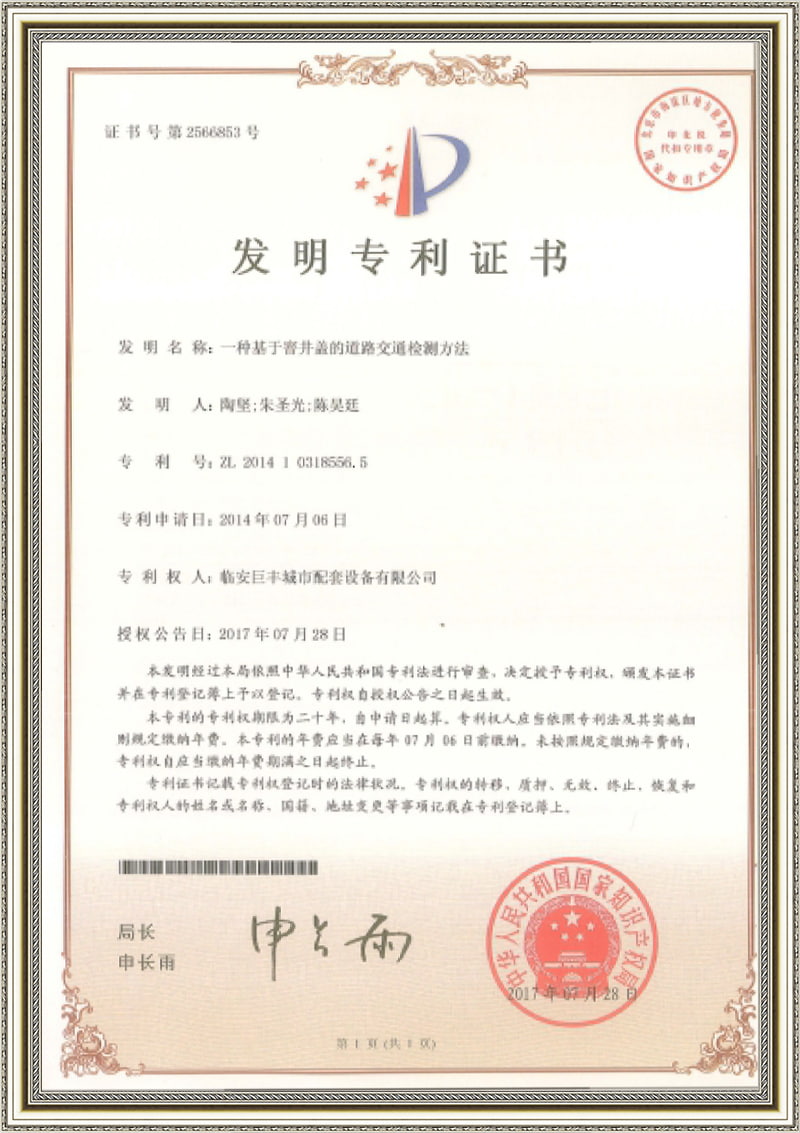
Certificate
Customization Process
HOW TO START YOUR CUSTOM PROJECT
-
 01
01
Needs Communication
Share your scenarios, challenges, and expectations with us.
-
 02
02 Solution Design
Our technical team provides material selection, structural design, and process recommendations.
-
 03
03 Sample Prototyping
Fast response with physical samples for verification.
-
 04
04 Mass Production
Reliable quality and on-time delivery supported by our flexible production lines.
-
 05
05 Continuous Support
Ongoing technical consultation and after-sales follow-up.
NEWS AND
INFORMATION
INFORMATION
Stay updated with Jufeng's news and information, keep abreast of industry trends, and we will provide
you with relevant information and news.
-
JUFENG INFORMATIONOct 13, 2026Explore more
-
JUFENG INFORMATIONOct 08, 2026Explore more
-
JUFENG INFORMATIONSep 28, 2026Explore more
Industry Knowledge
Drain and Overflow Configuration for Composite Wash Basins in Public Restrooms
Two plumbing details are consistently underspecified when a composite wash basin is selected for a public restroom project, and both can cause an inspection to fail after installation rather than before. The first is overflow provision: most plumbing codes for public lavatories require an overflow channel to prevent floor flooding when a drain clogs during unattended use, and this feature must be molded into the basin during production rather than retrofitted afterward. The second is drain thread compatibility, since composite basins manufactured for export commonly ship with metric 40mm or 50mm outlets, while North American plumbing typically expects imperial threading, so confirming this detail before the container ships avoids a costly on-site adapter fix.
At Hangzhou Jufeng Urban Support Equipment Co., Ltd., this kind of plumbing interface detail is treated as part of the engineering design support offered alongside the material itself, since a mismatch discovered during installation costs far more in labor and schedule delay than confirming the specification correctly at the proposal stage.
Single Basin Versus Trough Configuration: Matching Layout to Occupancy Load
Restroom capacity requirements are typically set by code based on building occupancy, and the layout decision between individual basins and a continuous trough configuration has a direct effect on how much of that required fixture count fits into a limited footprint. A single elongated SMC composite wash basin with multiple faucet positions can serve several users along one continuous surface instead of requiring a separate plumbing connection and cabinet run for each individual sink, which is one reason trough-style layouts have become common in schools, transit terminals, and stadium restrooms where peak-period throughput matters more than individual basin styling.
| Configuration | Best-Fit Environment | Key Consideration |
|---|---|---|
| Individual basin | Offices, hospitality, healthcare | Lower peak throughput, more design flexibility per unit |
| Continuous trough | Schools, airports, stadiums | Higher throughput, fewer plumbing connections per user served |
| Ganged multi-station | Industrial and staff facilities | Balances footprint with individual basin separation |
Drainage slope also becomes more critical in trough designs than in single basins, since water must travel a longer path to a single outlet, and an inadequately sloped mold will leave standing water at the far end of the basin regardless of how well the material itself resists staining.
Accessibility clearances still apply per station
Even in a shared trough layout, accessibility codes generally require that at least one section meet knee clearance and rim height requirements independently, which means the mold design needs a variable-depth or stepped profile rather than a single uniform basin depth across the entire run.
Antimicrobial Additives and Surface Hygiene Performance
Because the resin used in an SMC composite wash basin is non-porous by nature, it already resists the bacterial colonization that occurs in grout lines and micro-cracked stone surfaces, but some specifications go a step further by requesting an antimicrobial additive blended into the gel coat itself. These additives are engineered to inhibit the growth of a broad range of microorganisms directly on the surface layer, which is a meaningful differentiator for healthcare facilities, schools, and food service washrooms where cleaning protocols are strict but surface contact between uses is unavoidable.
- Antimicrobial additive should be verified as blended through the gel coat, not applied as a surface spray that wears off with repeated cleaning
- Compatibility with common commercial disinfectants should be confirmed to avoid degrading the additive's effectiveness over time
- A seamless integral basin design removes joints that would otherwise undermine the additive's benefit by trapping moisture regardless of surface treatment
Rooted in high-performance composite material development since 2002, the company applies the same non-porous resin engineering used in its underground infrastructure products to above-ground hygiene-critical surfaces, treating water contact behavior as a shared technical thread across very different end uses.
Freeze Resistance and Outdoor Installation Considerations
Composite wash basins installed in outdoor or semi-conditioned locations, such as port facility washrooms, airport ground-service areas, or industrial site amenities, face freeze-thaw cycling that natural stone handles poorly due to water absorption through surface pores. A properly formulated composite basin avoids this failure mode entirely because the resin matrix does not absorb water into its structure, so there is no trapped moisture to expand and crack the surface during a hard freeze. Frame and mounting hardware selection matters just as much in these installations, since a composite basin's lighter weight compared to stone or cast materials also simplifies wall-mounted bracket sizing for exterior applications.
Serving industrial equipment manufacturers and architectural designers across more than 30 countries with varying climate conditions, the company's 20,000-square-meter production base supports adjusting resin formulation for outdoor Composite Wash Basin installations differently than it would for a climate-controlled interior washroom, since the same base material behaves differently depending on the thermal cycle it will actually experience on site.
GET IN TOUCH
FOLLOW US
QUICK LINKS
PRODUCTS CATEGORY
CONTACT US
- Phone: +86-571-63701828
- E-mail: info@jf-luman.com
qin@jf-luman.com - Whatsapp: +86 13175123702
- Address: Langbi Industrial Zone, Jincheng Sub-district, Lin'an District, Hangzhou City, Zhejiang Province
Copyright © Hangzhou Jufeng Urban Support Equipment Co., Ltd.
All Rights Reserved. Composite Wash Basin Suppliers in China
All Rights Reserved.
Composite Wash Basin Suppliers in China