Manhole Cover And Frame Suppliers

 en
en
Online Inquiry
Manhole Covers For Sale
-
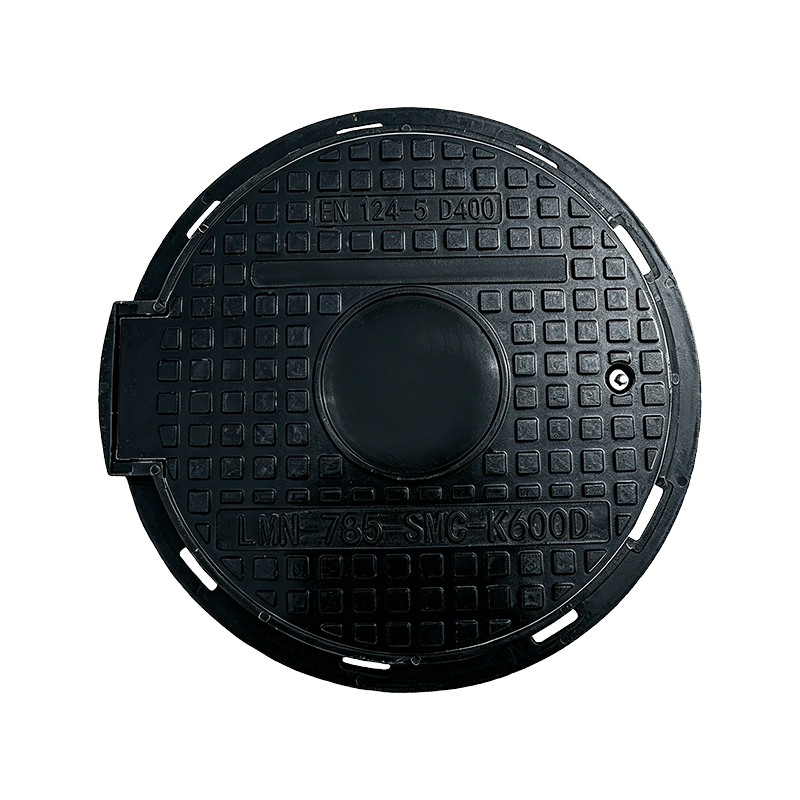


Heavy Duty SMC Composite Round Manhole Cover, D400 Clear Open 600, C250 Clear Open 600, B125 Clear Open 600
CLEAR OPEN 600MM, D400
-
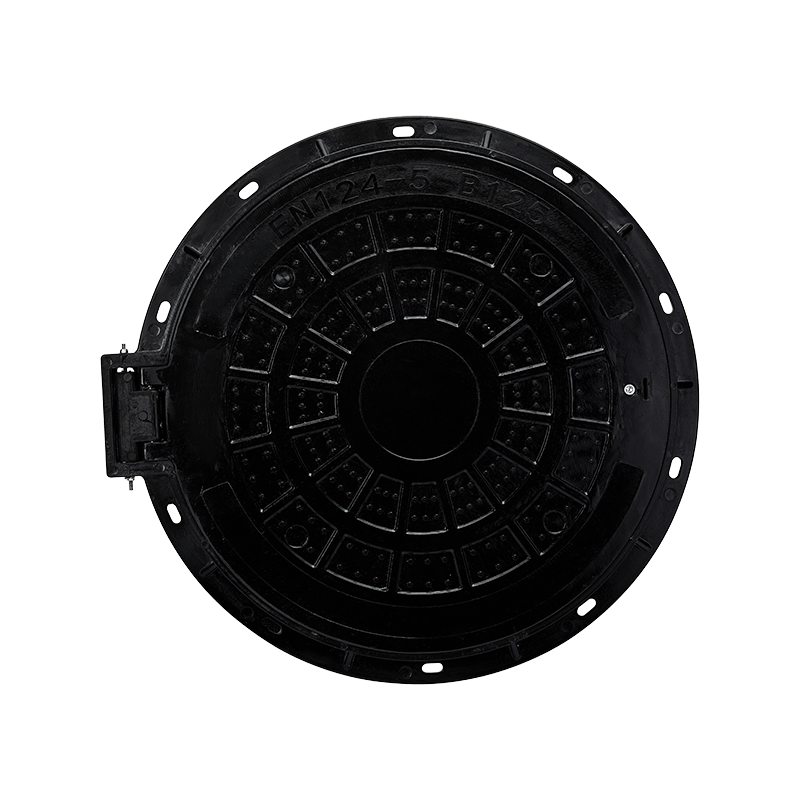
600mm Round Manhole Cover, D400 Clear Open 600, C250 Clear Open 600, B125 Clear Open 600
CLEAR OPEN 600MM, B125
-
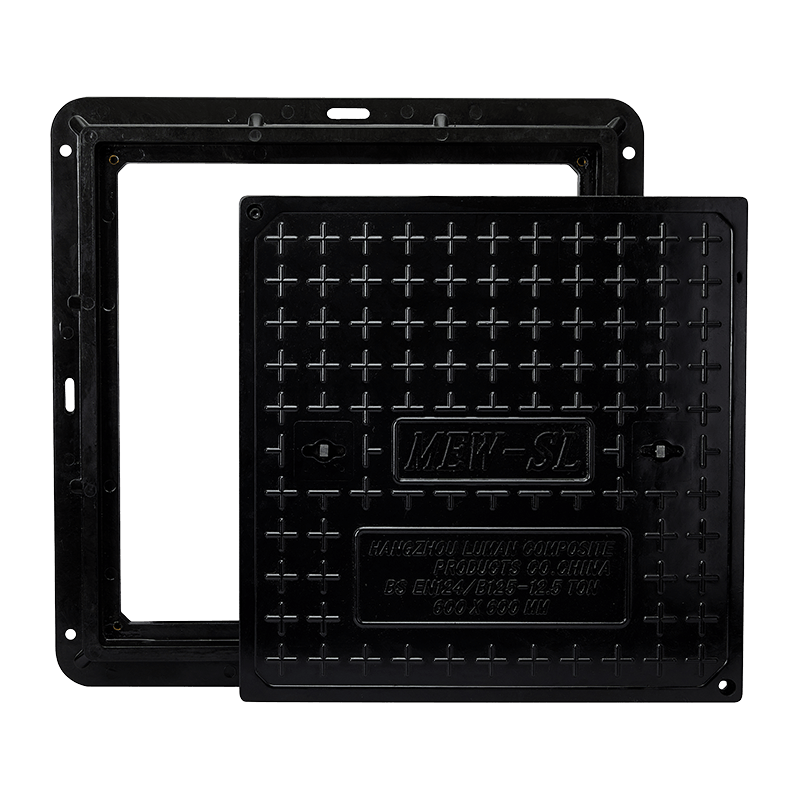
SMC Composite Manhole Cover, B125 Clear Open 600x600
CLEAR OPEN 600x600MM, B125
-
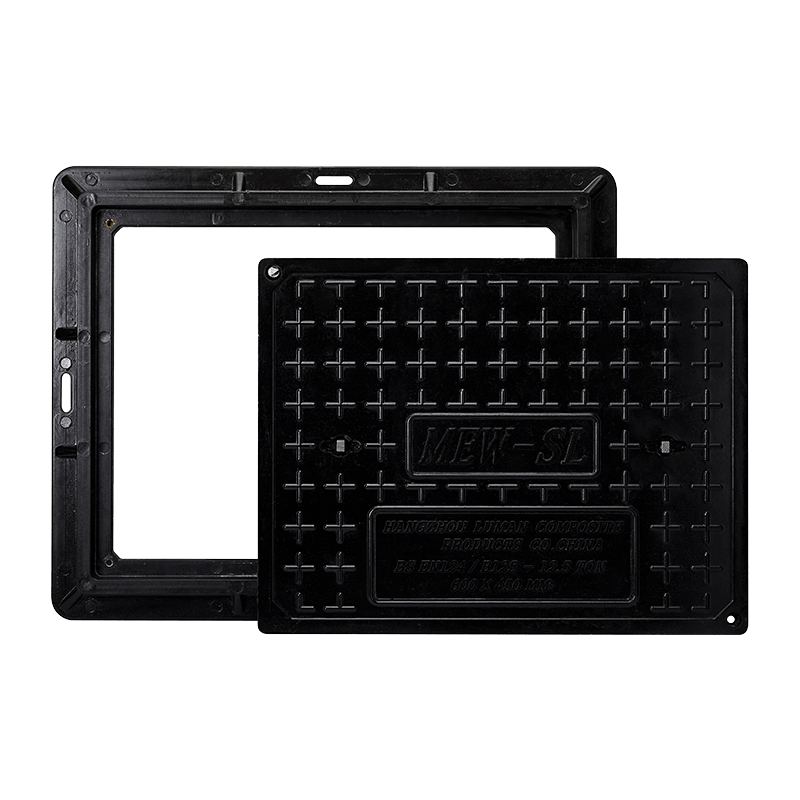
SMC Composite Rectangular Manhole Cover, B125 Clear Open 600x450
CLEAR OPEN 600x450MM, B125
-
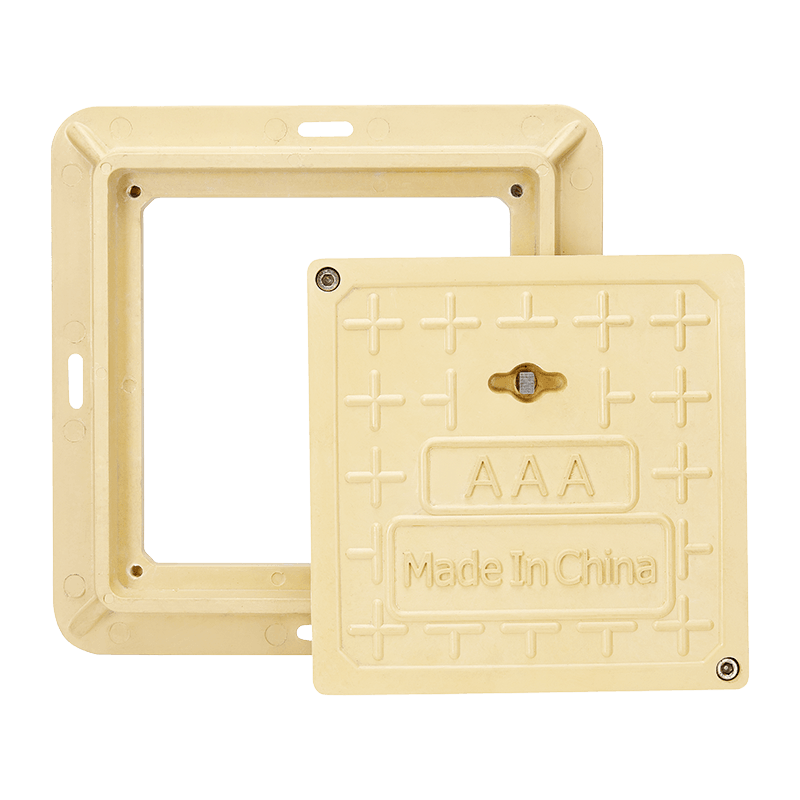
SMC handhole Composite Square Manhole Cover, B125 Clear Open 270x270
CLEAR OPEN 270x270MM, B125
-
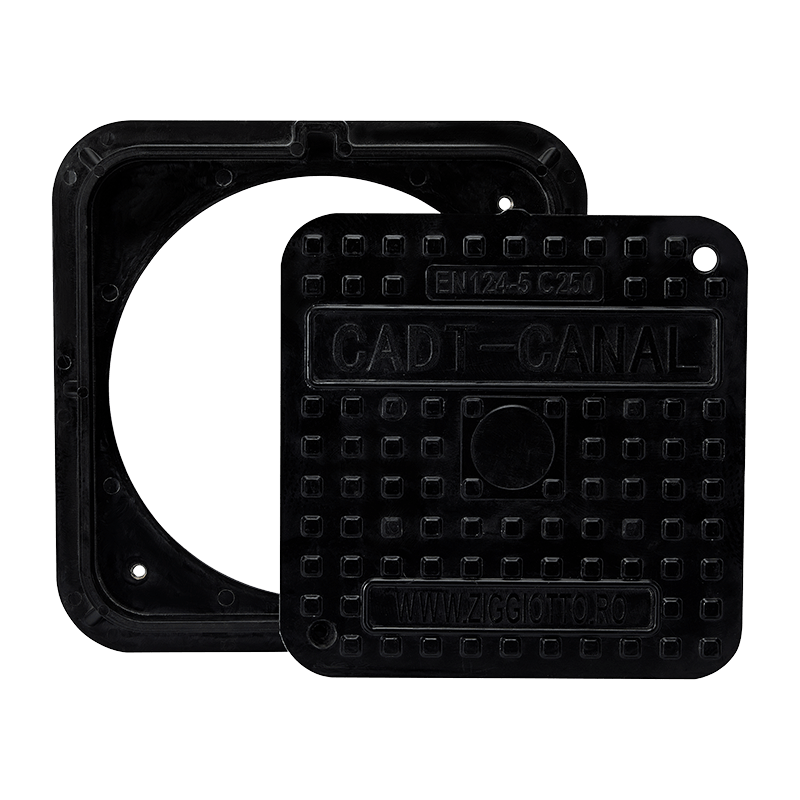
Construction Pipe System Used SMC Composite Manhole Cover, B125 Clear Open 315
CLEAR OPEN 315MM, B125
-
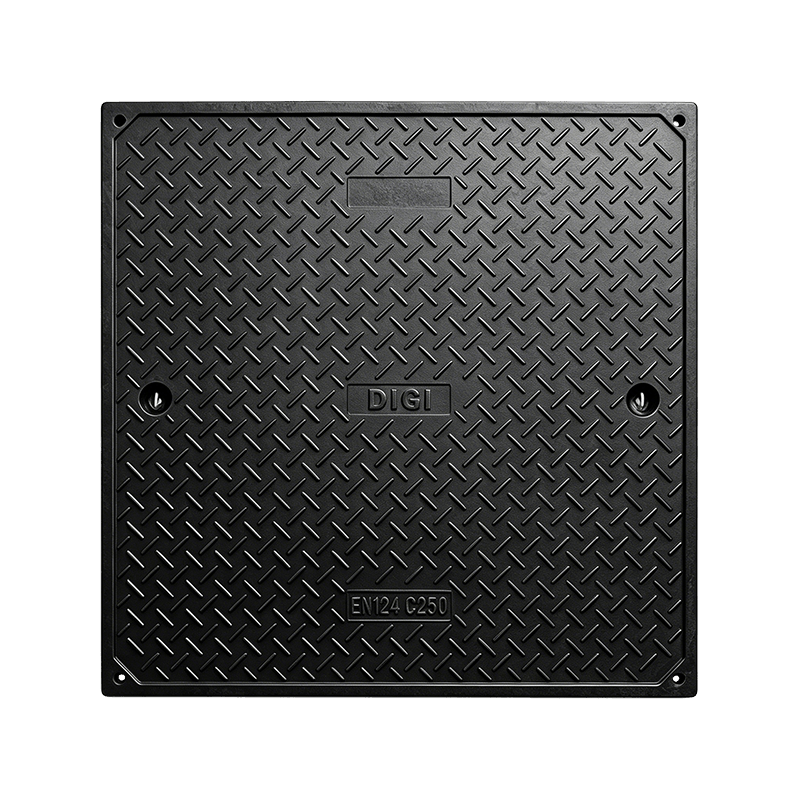
Heavy duty SMC Composite Telecom Covers, C250 Clear Open 1100X1100
CLEAR OPEN 1100X1100MM, C250
-
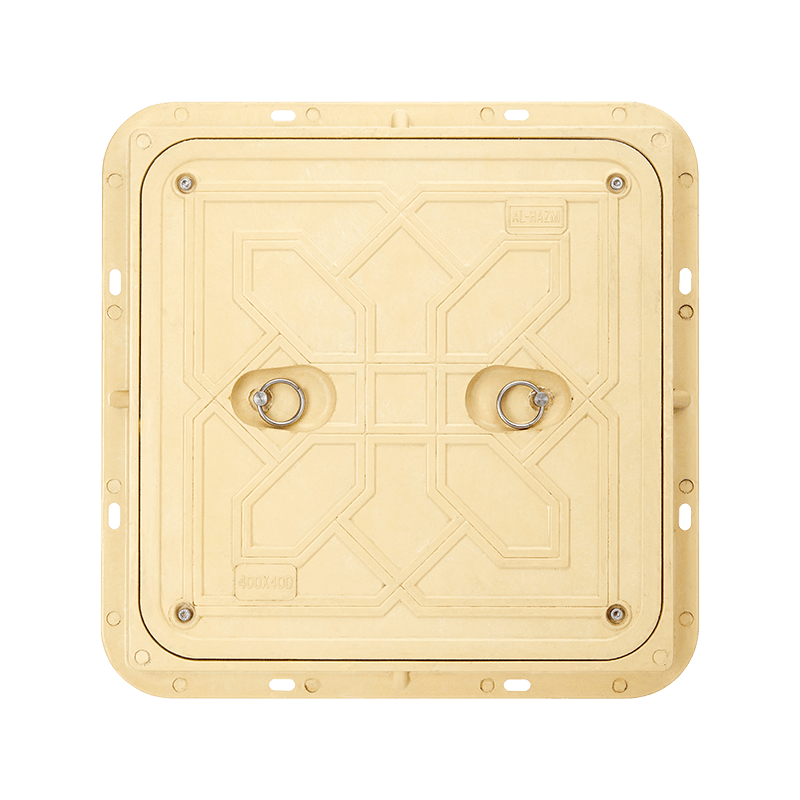
Square Manhole Cover for Water Supply, A15 Clear Open 400X400
CLEAR OPEN 400X400, A15
-
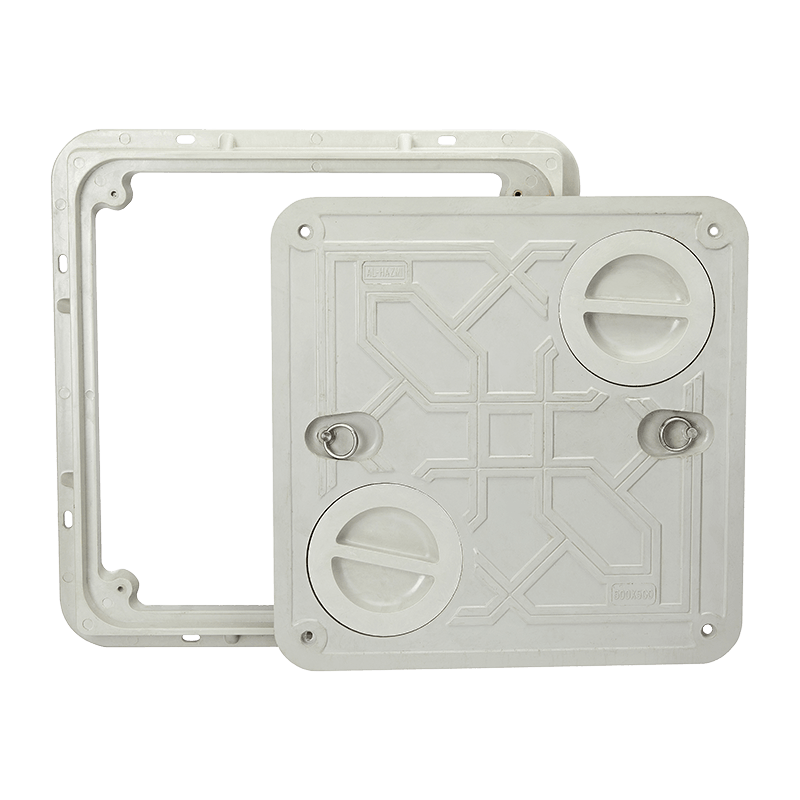
Pedestrian Use Square Type Water Supply Manhole Cover, A15 Clear Open 500X500
CLEAR OPEN 500X500, A15
-
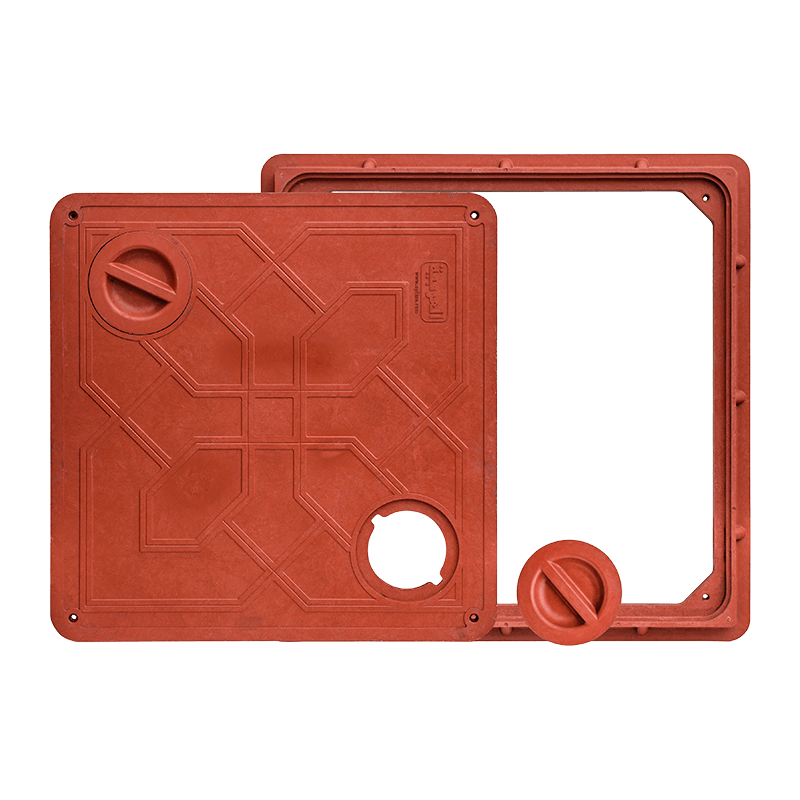
Durable Water Supply Manhole Cover, A15 Clear Open 700X700
CLEAR OPEN 700X700, A15
-
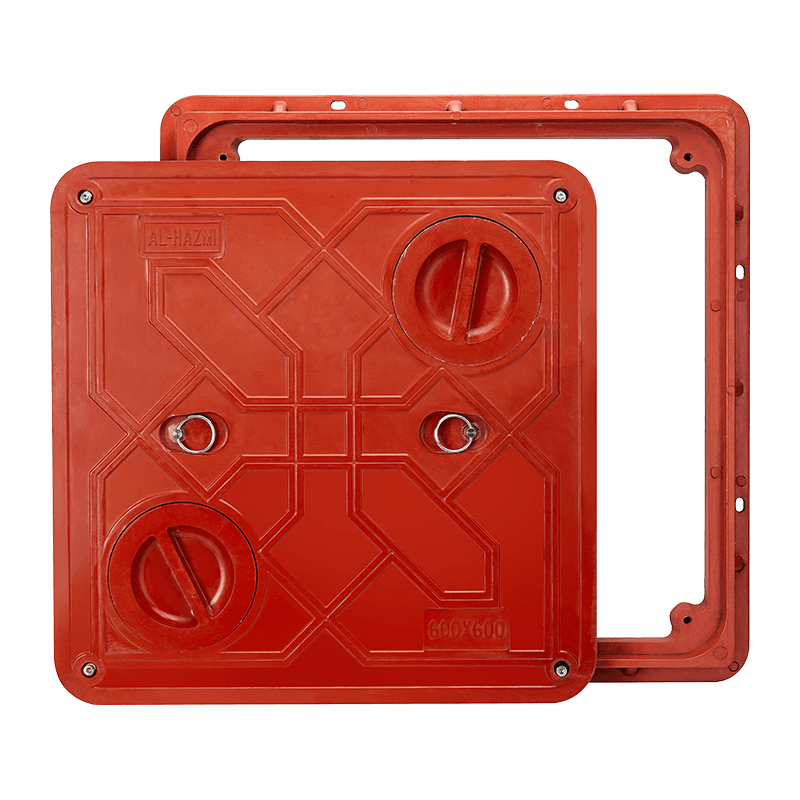
SMC Composite Water Supply Manhole Cover, A15 Clear Open 600X600
CLEAR OPEN 600X600, A15
-
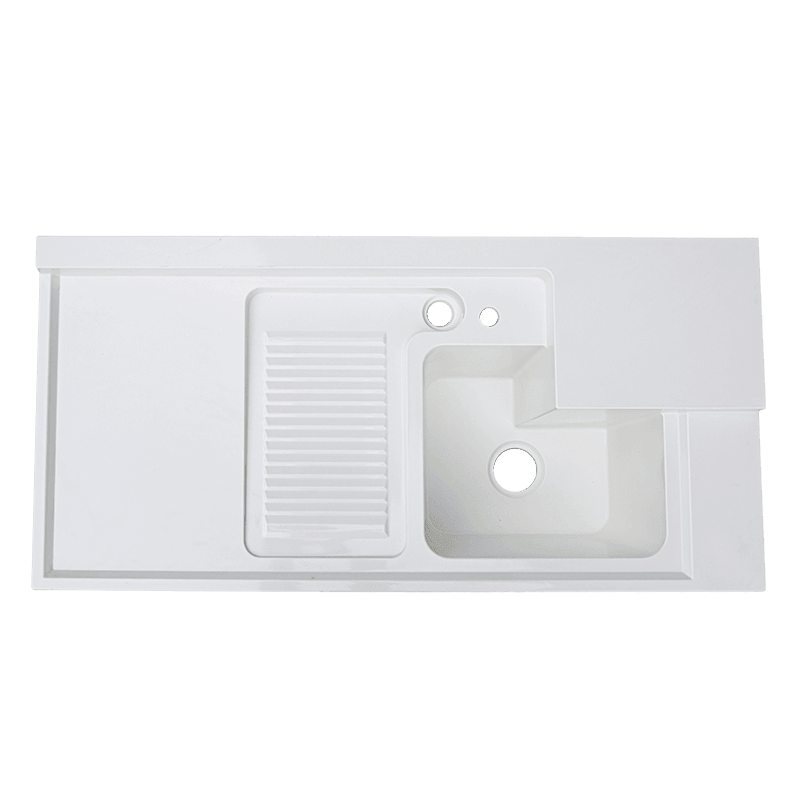
JF - Space-Saving SMC Composite Wash Basin
Upgrade your utility space with the JF Wash Basin Series, the laundry sink engineered for performanc
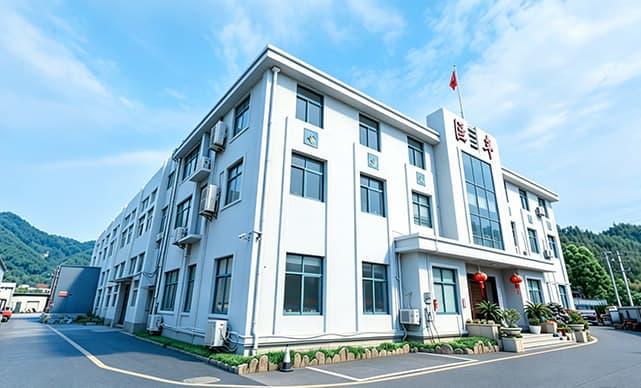
Hangzhou Jufeng Urban Support Equipment Co., Ltd.
Founded in 2002, Hangzhou Jufeng Urban Support Equipment Co., Ltd. has always been deeply rooted in the field of high-performance composite materials. We are not only one of the early-established and large-scale manufacturers of composite manhole covers in China, but also an innovator of industry concepts. Manhole Cover And Frame Suppliers in China, Manhole Covers For Sale.
Our modern production base covering more than 20,000 square meters has witnessed our strategic upgrade from a "standardized product manufacturer" to a "customized solution provider". We deeply understand that what customers purchase is not just manhole covers, but reliable load-bearing solutions, innovative material applications and professional engineering design support.
We provide composite material solutions tailored to the usage scenarios, load standards, and environmental requirements of different industries. Wholesale Manhole Cover and Frame.
Different processes correspond to varying levels of structural complexity and precision. We can select the ideal manufacturing method based on your product structure, production volume, and performance requirements.
By adjusting the matrix and reinforcing materials, we can directionally enhance specific properties, ensuring the material truly adapts to its intended application.
At present, we serve municipal engineering firms, architectural designers, industrial equipment manufacturers and creative design companies in more than 30 countries, providing high-performance composite material customization solutions for various scenarios such as subways, airports, ports and commercial complexes.
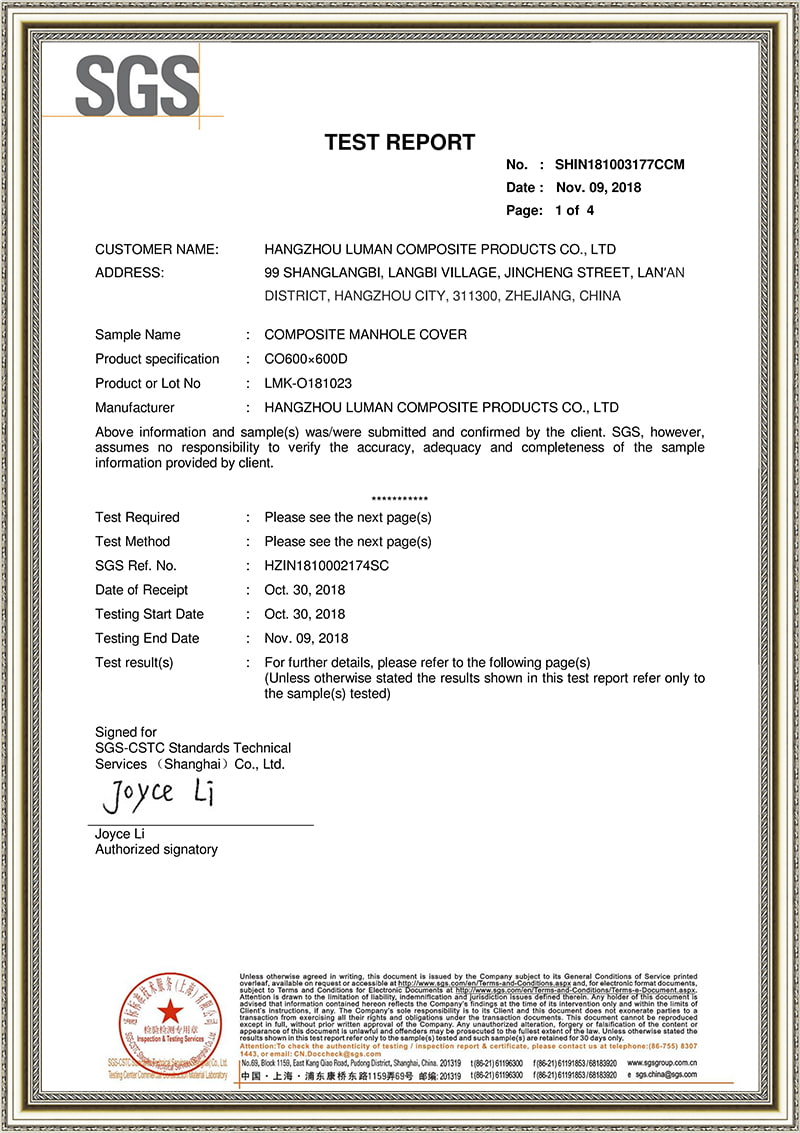
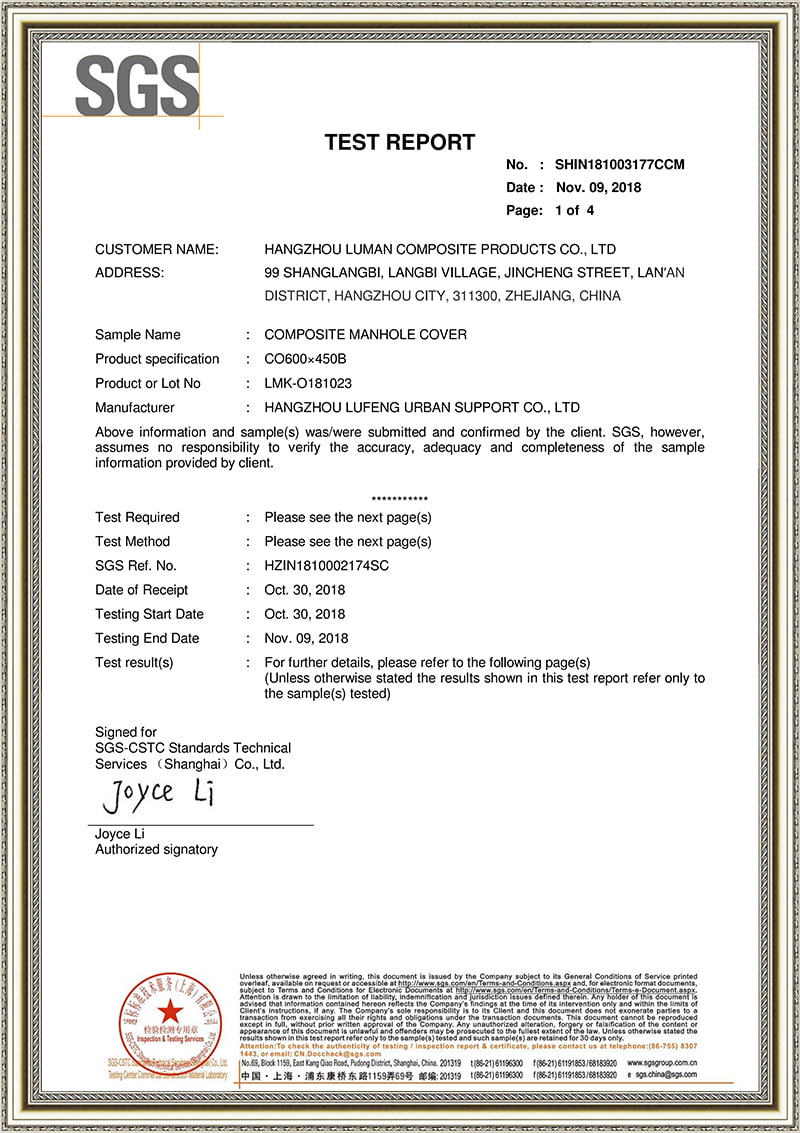
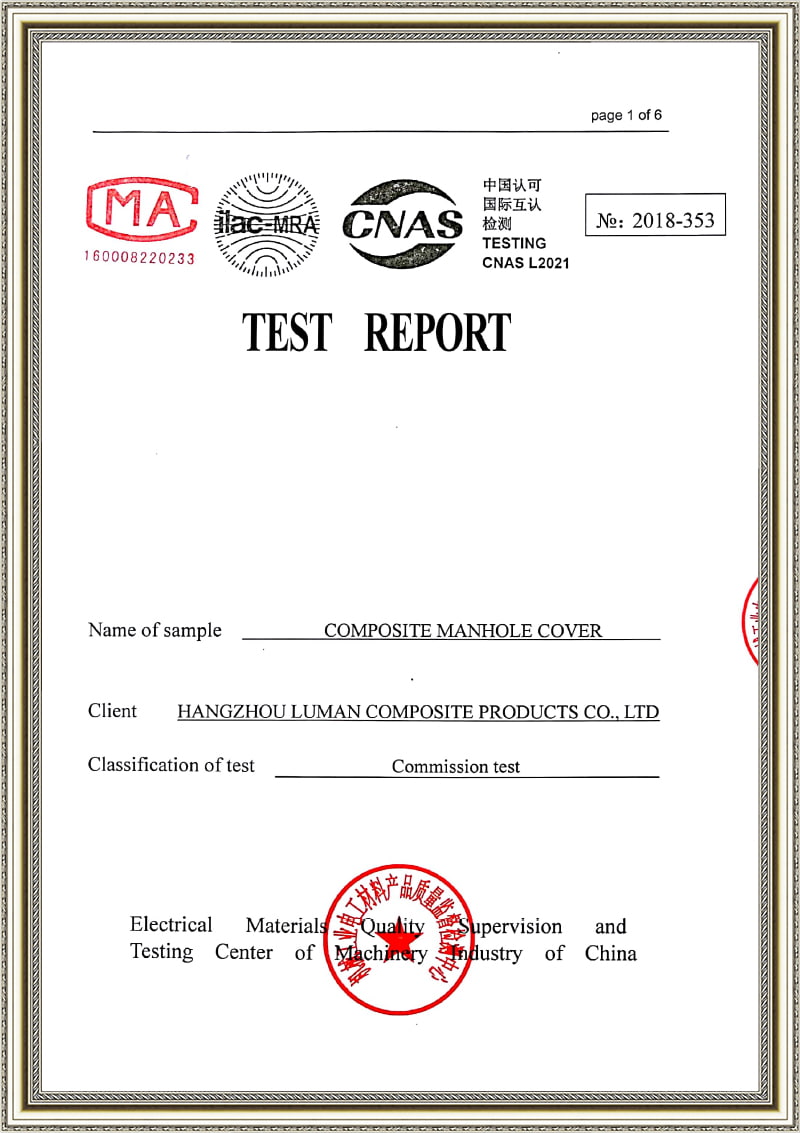
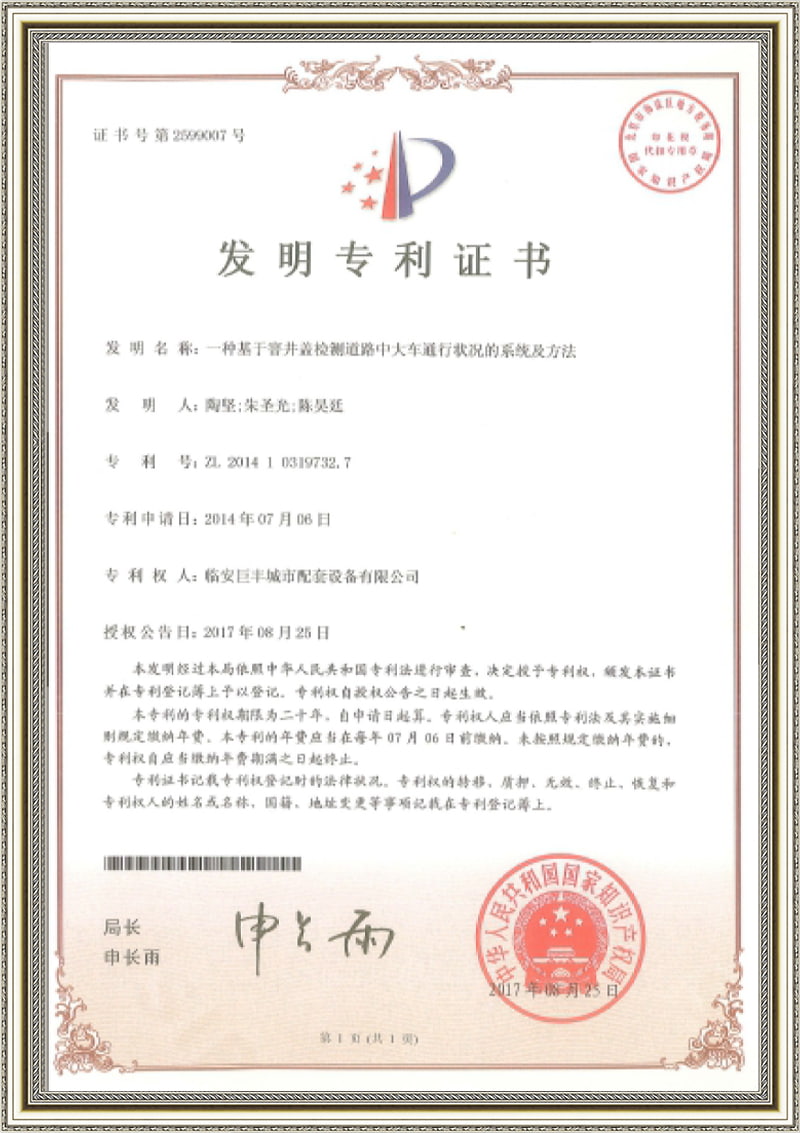
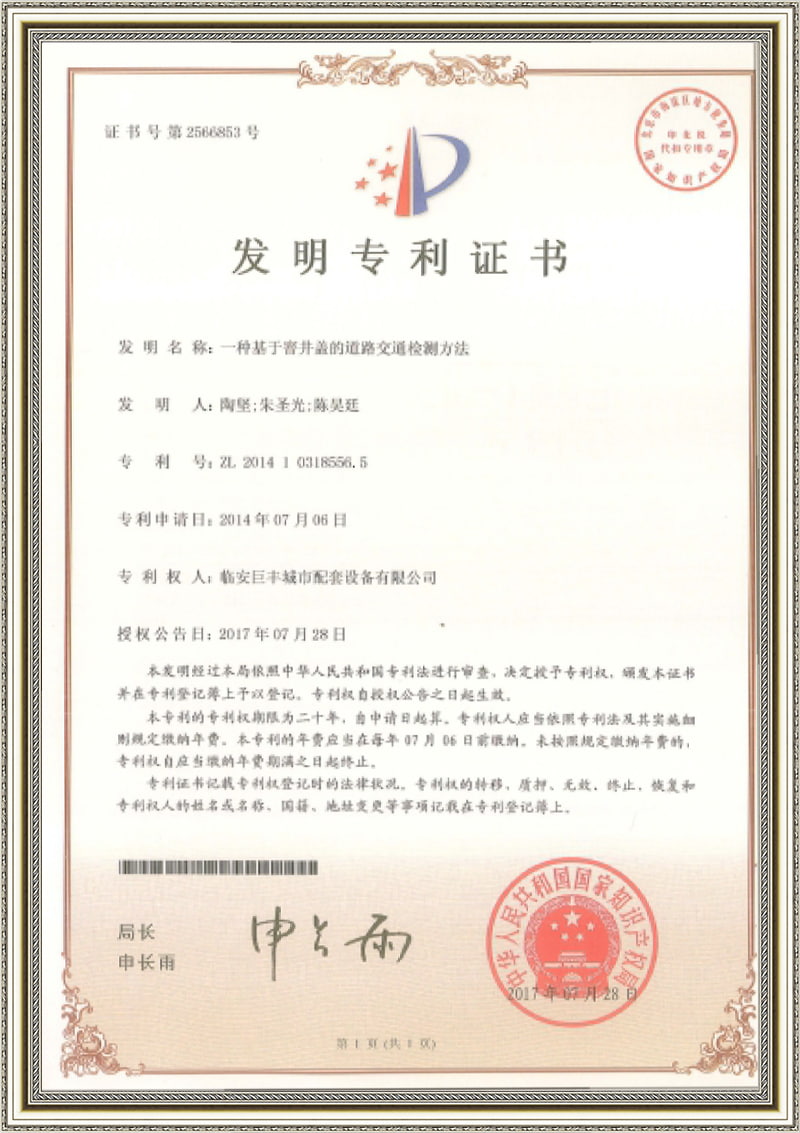
Certificate
Customization Process
HOW TO START YOUR CUSTOM PROJECT
-
 01
01
Needs Communication
Share your scenarios, challenges, and expectations with us.
-
 02
02 Solution Design
Our technical team provides material selection, structural design, and process recommendations.
-
 03
03 Sample Prototyping
Fast response with physical samples for verification.
-
 04
04 Mass Production
Reliable quality and on-time delivery supported by our flexible production lines.
-
 05
05 Continuous Support
Ongoing technical consultation and after-sales follow-up.
NEWS AND
INFORMATION
INFORMATION
Stay updated with Jufeng's news and information, keep abreast of industry trends, and we will provide
you with relevant information and news.
-
JUFENG INFORMATIONOct 13, 2026Explore more
-
JUFENG INFORMATIONOct 08, 2026Explore more
-
JUFENG INFORMATIONSep 28, 2026Explore more
industry knowledge
Matching EN 124 Load Class to the Real Installation Environment
Specifying a Manhole Cover and Frame by load class alone is where most procurement mistakes start. EN 124 rates every cover on the static test load it can withstand, from A15 through F900, but the number on the datasheet only means something once it is matched against the actual traffic, kerb distance, and installation zone of the project. A B125 cover dropped into a spot that occasionally sees a delivery truck will crack within a couple of years, while specifying D400 everywhere adds unnecessary weight and cost to purely pedestrian zones.
Hangzhou Jufeng Urban Support Equipment Co., Ltd. produces composite covers across the full EN 124 range using SMC compression molding, which lets the reinforcement layup be adjusted class by class rather than relying on a single laminate schedule for every product.
| Load Class | Test Load | Typical Installation Zone |
|---|---|---|
| A15 | 15 kN | Gardens, pedestrian paths, no vehicle access |
| B125 | 125 kN | Driveways, car parks, footpaths with occasional kerb mounting |
| C250 | 250 kN | Kerbside channels, up to 0.5 m from the carriageway edge |
| D400 | 400 kN | Carriageways, hard shoulders, roads carrying regular truck traffic |
| E600 / F900 | 600–900 kN | Port yards, container handling areas, airport pavements |
For engineers preparing a bill of quantities, it is worth confirming the class per chamber rather than per project. A single subway entrance, for example, often mixes B125 covers on the concourse with D400 or higher at the vehicle ramp, and treating the whole site as one specification wastes budget in one direction or creates a safety gap in the other.
Frame-to-Cover Fit and the Rocking Cover Problem
A cover rocking under traffic is rarely a strength failure — it is almost always a tolerance failure. The seating surface between the cover and its frame needs a consistent, tight clearance across the full bearing ring; even a 2–3 mm gap on one side lets the cover rotate slightly under each wheel pass, and that repeated micro-movement is what eventually chips the seating edge and loosens the frame in its bedding mortar.
Common Causes of a Loose or Rocking Manhole Cover and Frame
- Frame distortion from a direct wheel impact during installation before the bedding mortar has cured
- Corrosion swelling on cast iron seating rings, which gradually opens up the fit even when the frame itself is intact
- Mismatched batches — covers and frames sourced from different production runs without a matched-pair inspection step
- Bedding material that has not been fully compacted around the frame flange, leaving voids that flex under load
Composite frames sidestep the corrosion-driven version of this problem because the seating ring does not rust or pit the way cast iron does, so the fit stays close to its original dimensions for the life of the installation. Jufeng molds cover and frame as matched pairs and checks the seating fit before dispatch rather than treating covers and frames as interchangeable stock items.
SMC Molding Variables That Determine Performance in Corrosive Environments
Sheet Molding Compound is not one uniform material — the resin system, glass fiber content, and filler loading are all variables that a buyer can and should ask about, because they change how the finished cover behaves in a specific environment. A cover destined for a sewer network with sustained hydrogen sulfide exposure needs a different resin chemistry than one going into a dry stormwater application.
| Resin System | Chemical Resistance | Best-Fit Application |
|---|---|---|
| Unsaturated polyester | Moderate acid/alkali resistance | General municipal roads, sidewalks, utility boxes |
| Vinyl ester | High resistance to H2S, acids, and chlorides | Sewer chambers, wastewater plants, coastal and port sites |
| Epoxy-modified | Highest chemical and thermal stability | Industrial plants, fuel-adjacent installations |
Glass fiber content also matters more than most spec sheets let on. Long-fiber reinforcement, typically laid at higher percentages than short chopped strand, raises fatigue strength and is part of why well-formulated SMC covers are rated for a service life of thirty years or more under their designed load. Cure temperature and pressure during compression molding then lock in that fiber orientation, which is why buyers comparing suppliers on price alone often end up comparing two products that only look similar on the surface.
Custom Frame Depth and Chamber Compatibility for Subway, Airport, and Port Projects
Founded in 2002, Hangzhou Jufeng Urban Support Equipment Co., Ltd. has always been deeply rooted in the field of high-performance composite materials, and is one of the early-established and large-scale manufacturers of composite manhole covers in China. Its modern production base, covering more than 20,000 square meters, reflects a deliberate shift from standardized product manufacturing toward customized solution supply, on the understanding that what a project buys is a load-bearing solution and engineering support, not just a cover.
That distinction matters most on large infrastructure work. Subway platforms, airport aprons, and port yards rarely use off-the-shelf chamber dimensions — frame seat depth, clear opening size, and the surrounding structural slab thickness are all project-specific, and a cover that fits a standard 600 mm access chamber will not necessarily suit a deeper subway utility vault or an airport drainage chamber built to a different national standard.
Jufeng currently serves municipal engineering firms, architectural designers, industrial equipment manufacturers, and creative design companies in more than 30 countries, supplying high-performance composite customization for subways, airports, ports, and commercial complexes. Custom frame depth, non-standard clear openings, and reinforced flange design are handled at the mold-tooling stage rather than through field modification, which keeps the finished part within its rated load class instead of weakening it after the fact.
Locking, Anti-Theft, and Ventilation Features for Telecom and Utility Covers
A cover's load rating tells you whether it will survive traffic; it says nothing about whether it will survive being targeted for theft or vandalism, which is a real cost driver for telecom and electrical operators managing thousands of access points across a city. Composite covers already remove most of the resale-scrap incentive that drives cast iron theft, but well-specified projects still add mechanical safeguards on top of that.
- Recessed or tamper-resistant bolts that require a matched key rather than a standard tool
- Hinged designs that keep the cover attached to the frame during inspection, reducing drop-and-crack damage on site
- Ventilation slots sized to dissipate heat from telecom cable bundles without letting debris or standing water into the chamber
- Anti-slip surface texture that holds its grip wet or dry, which matters more on pedestrian routes than the load class does
Utility operators shopping for Manhole Covers For Sale in bulk should ask suppliers for the locking mechanism's rated pull-out force, not just a description of "anti-theft" as a feature name, since the two can vary considerably between manufacturers even at the same load class.
Documentation and Lead Time When Sourcing Across Multiple Countries
Buyers comparing Manhole Covers For Sale across regions run into a certification patchwork almost immediately. EN 124 governs most of Europe, ASTM and AASHTO M306 cover much of the US market, and AS3996 applies in Australia — the load classes are broadly comparable in kN terms, but the acceptance testing, marking requirements, and documentation format differ enough that a factory test report built for one standard will not automatically satisfy an inspector working to another.
For a project spanning several countries, it is worth requesting the full test report package before production begins rather than after: static load test results, material composition data, and dimensional inspection records, matched to the specific standard the destination project requires. This avoids the common delay where covers arrive on site correctly rated by kN but missing the paperwork a local authority actually asks for.
Custom tooling adds lead time up front but tends to shorten it later in the project, since a mold built once for a specific frame depth or opening size can be reused across future phases without repeating the design cycle. Jufeng's Manhole Cover and Frame product range is organized by clear opening, load class, and application so that engineering teams can shortlist a base configuration before requesting project-specific customization.
GET IN TOUCH
FOLLOW US
QUICK LINKS
PRODUCTS CATEGORY
CONTACT US
- Phone: +86-571-63701828
- E-mail: info@jf-luman.com
qin@jf-luman.com - Whatsapp: +86 13175123702
- Address: Langbi Industrial Zone, Jincheng Sub-district, Lin'an District, Hangzhou City, Zhejiang Province
Copyright © Hangzhou Jufeng Urban Support Equipment Co., Ltd.
All Rights Reserved. Manhole Cover and Frame Suppliers in China
All Rights Reserved.
Manhole Cover and Frame Suppliers in China