Wholesale Composite Mirror Frame

 en
en
Online Inquiry
SMC Composite Mirror Frame Manufacturers
Composite material frames revolutionize traditional decorating experiences with innovative material technology. Unlike wooden frames, which are susceptible to moisture damage, warping, insect infestation, and cracking, and superior to the cold touch and high cost of metal frames, our frames utilize SMC aerospace-grade composite materials through high-temperature molding, fundamentally solving the deformation problem caused by temperature and humidity changes.
The products combine lightweight and high strength, are impact-resistant and scratch-resistant, and their surfaces can replicate various textures such as wood grain, stone grain, and leather grain, achieving a visual effect comparable to solid wood and stone, while possessing more stable physical properties. Their all-plastic structure is naturally insulating and corrosion-resistant, unaffected by the damp environments of bathrooms and balconies, and possesses natural antibacterial properties, making cleaning and maintenance easier. Composite material frames, with their combined aesthetic appeal and durability, offer modern homes and commercial spaces a new choice that combines artistic beauty with exceptional long-term durability.
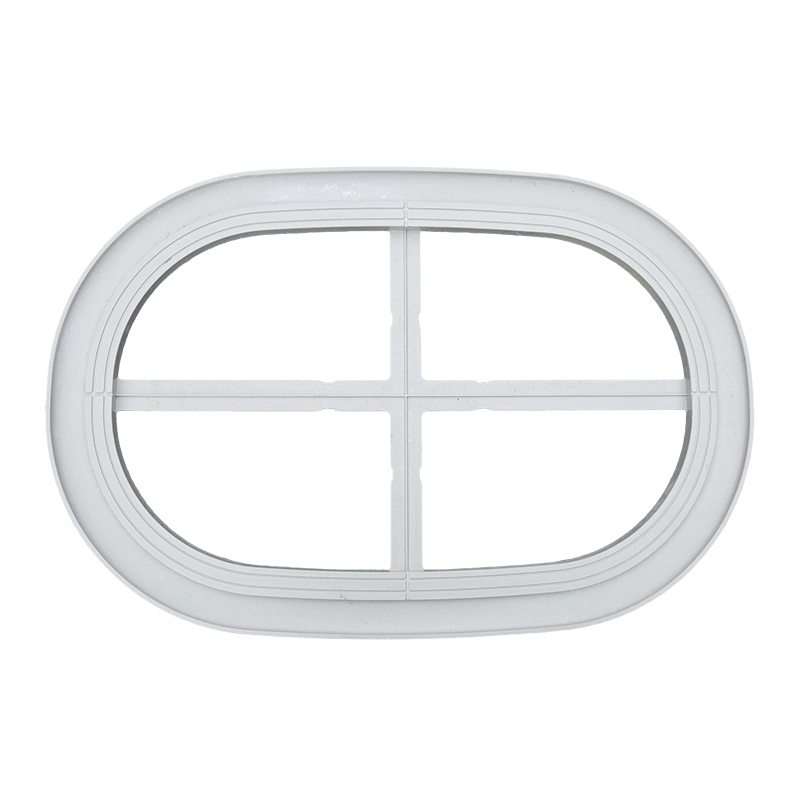


Composite material frames revolutionize traditional decorating experiences with innovative material technology. Unlike wooden frames, which are susceptible to moisture damage, warping, insect infestation, and cracking, and superior to the cold touch and high cost of metal frames, our frames utilize SMC aerospace-grade composite materials through high-temperature molding, fundamentally solving the deformation problem caused by temperature and humidity changes.
The products combine lightweight and high strength, are impact-resistant and scratch-resistant, and their surfaces can replicate various textures such as wood grain, stone grain, and leather grain, achieving a visual effect comparable to solid wood and stone, while possessing more stable physical properties. Their all-plastic structure is naturally insulating and corrosion-resistant, unaffected by the damp environments of bathrooms and balconies, and possesses natural antibacterial properties, making cleaning and maintenance easier. Composite material frames, with their combined aesthetic appeal and durability, offer modern homes and commercial spaces a new choice that combines artistic beauty with exceptional long-term durability.
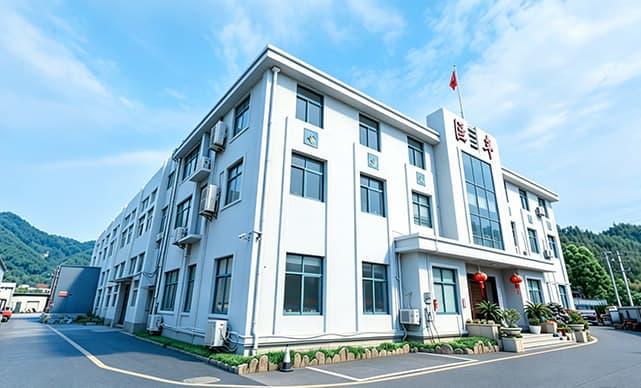
Hangzhou Jufeng Urban Support Equipment Co., Ltd.
Founded in 2002, Hangzhou Jufeng Urban Support Equipment Co., Ltd. has always been deeply rooted in the field of high-performance composite materials. We are not only one of the early-established and large-scale manufacturers of composite manhole covers in China, but also an innovator of industry concepts. SMC Composite Mirror Frame Manufacturers in China, Composite Mirror Frame Suppliers.
Our modern production base covering more than 20,000 square meters has witnessed our strategic upgrade from a "standardized product manufacturer" to a "customized solution provider". We deeply understand that what customers purchase is not just manhole covers, but reliable load-bearing solutions, innovative material applications and professional engineering design support.
We provide composite material solutions tailored to the usage scenarios, load standards, and environmental requirements of different industries. Wholesale Composite Mirror Frame.
Different processes correspond to varying levels of structural complexity and precision. We can select the ideal manufacturing method based on your product structure, production volume, and performance requirements.
By adjusting the matrix and reinforcing materials, we can directionally enhance specific properties, ensuring the material truly adapts to its intended application.
At present, we serve municipal engineering firms, architectural designers, industrial equipment manufacturers and creative design companies in more than 30 countries, providing high-performance composite material customization solutions for various scenarios such as subways, airports, ports and commercial complexes.
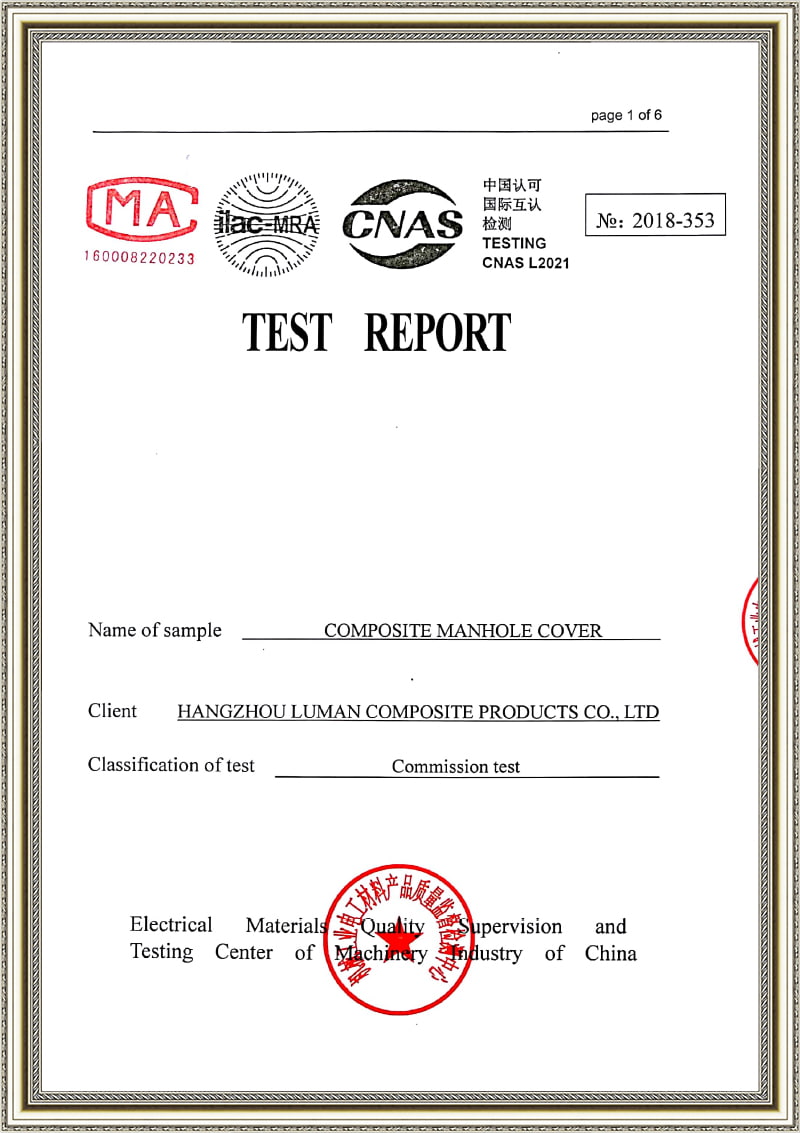
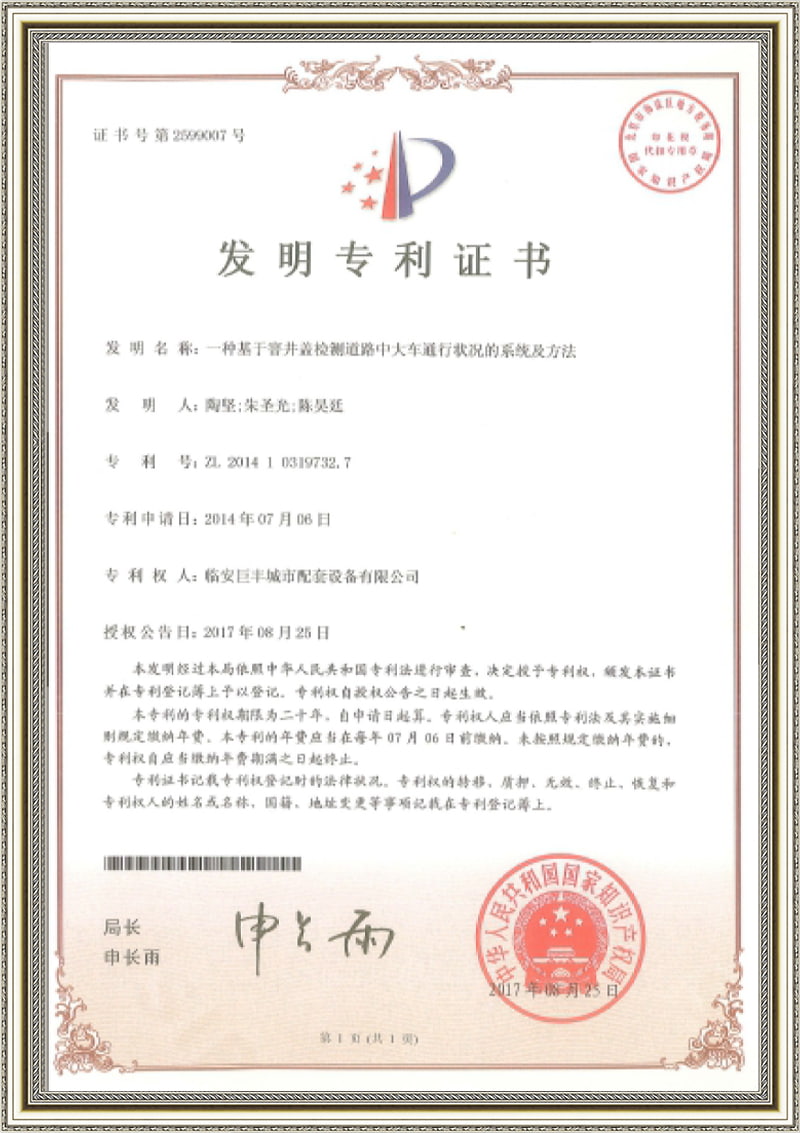
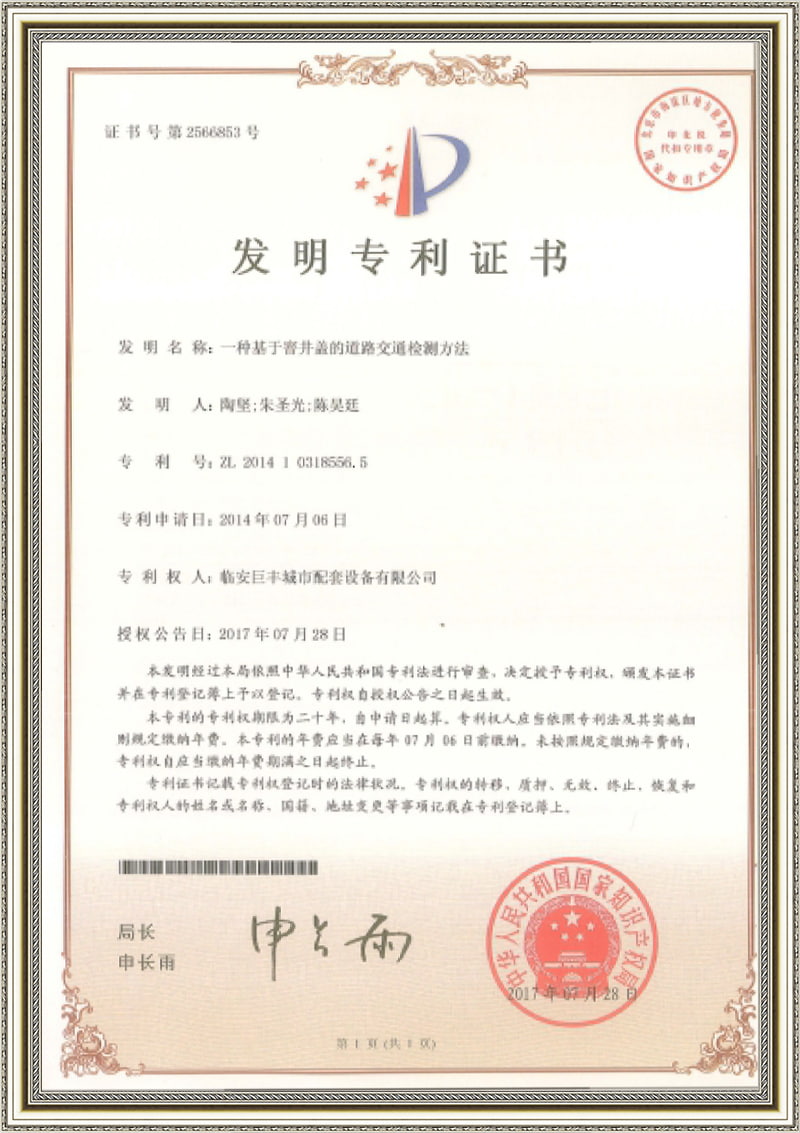
Certificate
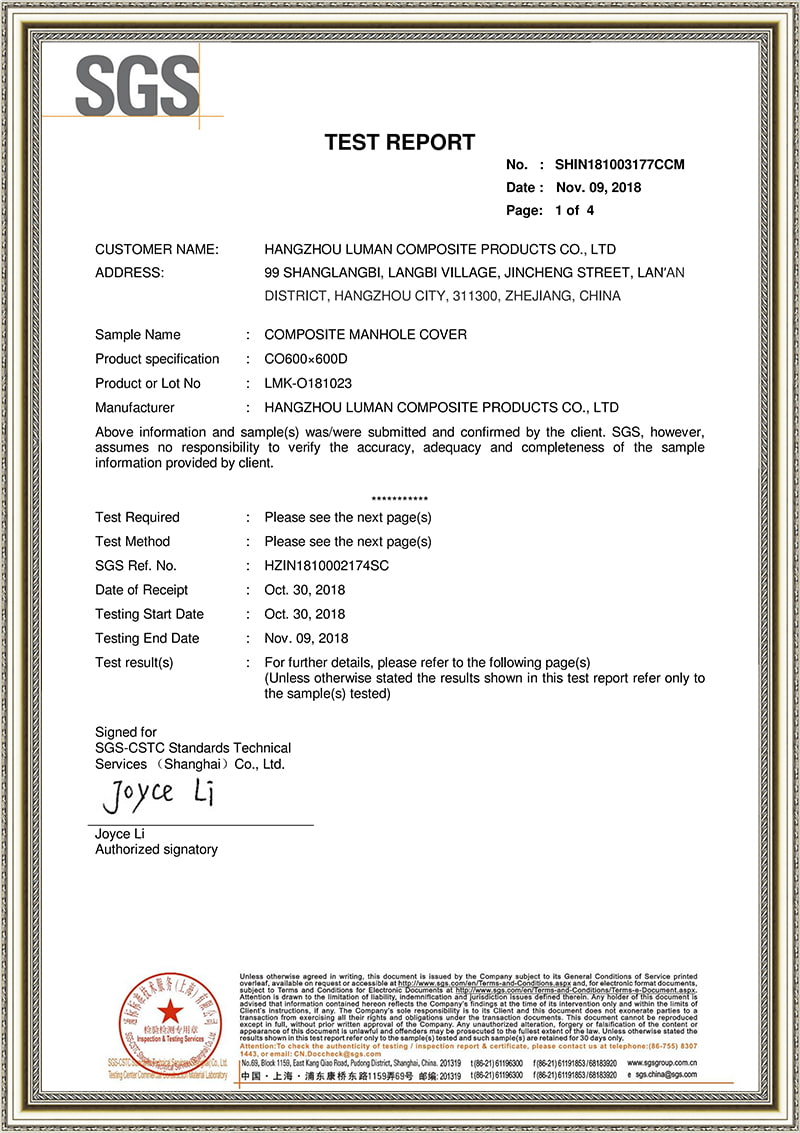
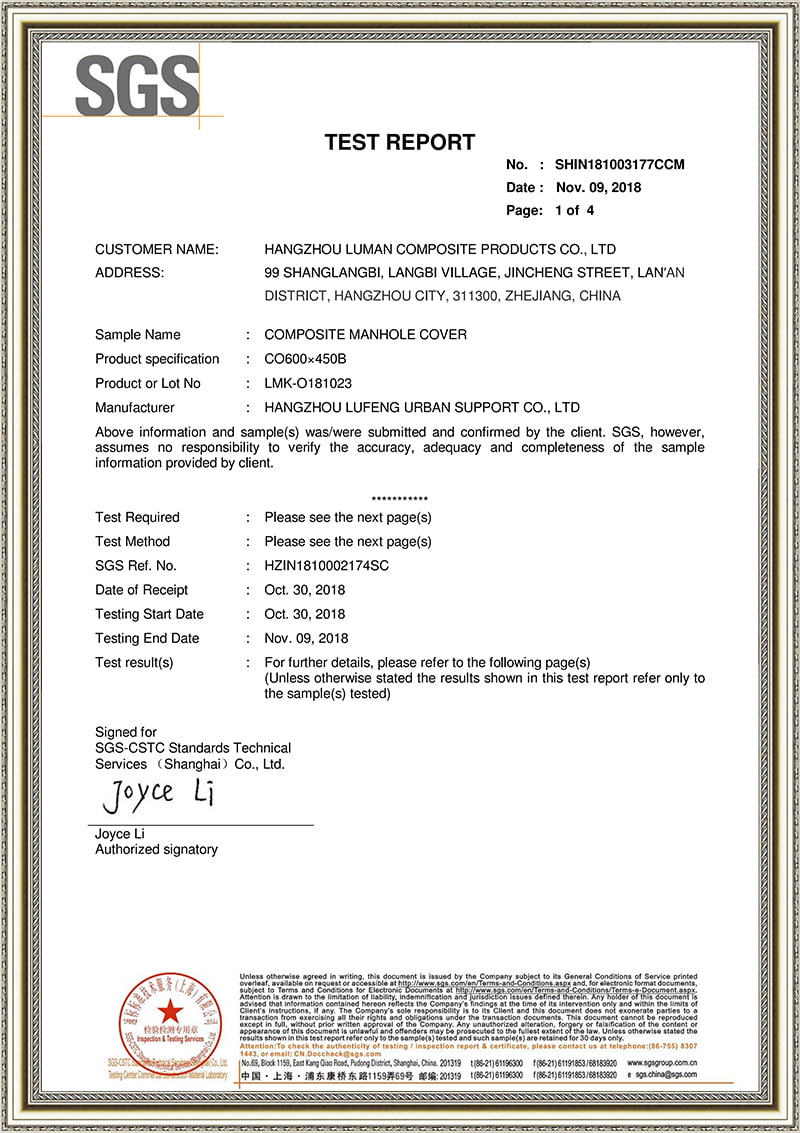
Customization Process
HOW TO START YOUR CUSTOM PROJECT
-
 01
01
Needs Communication
Share your scenarios, challenges, and expectations with us.
-
 02
02 Solution Design
Our technical team provides material selection, structural design, and process recommendations.
-
 03
03 Sample Prototyping
Fast response with physical samples for verification.
-
 04
04 Mass Production
Reliable quality and on-time delivery supported by our flexible production lines.
-
 05
05 Continuous Support
Ongoing technical consultation and after-sales follow-up.
NEWS AND
INFORMATION
INFORMATION
Stay updated with Jufeng's news and information, keep abreast of industry trends, and we will provide
you with relevant information and news.
-
JUFENG INFORMATIONOct 13, 2026Explore more
-
JUFENG INFORMATIONOct 08, 2026Explore more
-
JUFENG INFORMATIONSep 28, 2026Explore more
Industry Knowledge
Why Frame Material Matters More Than Frame Style in High-Humidity Rooms
Most bathroom mirror failures have nothing to do with the glass itself; they start at the frame joint, where wood swells, MDF delaminates, or metal begins to corrode from repeated exposure to steam and splash. A composite mirror frame avoids this failure mode structurally rather than cosmetically, since the resin matrix does not absorb moisture into its fiber structure the way engineered wood does, and it does not oxidize the way untreated or poorly coated metal frames eventually do around fastener points. This distinction matters most in rooms with limited ventilation, where humidity levels stay elevated for extended periods after each shower rather than dissipating quickly.
At Hangzhou Jufeng Urban Support Equipment Co., Ltd., this same resin behavior is central to why the company expanded from underground composite infrastructure products into architectural interior components: a material engineered to resist chronic groundwater exposure in a manhole application carries clear advantages when applied to a frame that faces daily condensation cycling instead.
Integrating LED Backlighting Without Compromising Frame Durability
Illuminated mirrors have become a near-standard specification in hospitality and residential renovation projects, but backlit and frontlit LED strips introduce a design challenge that many frame materials handle poorly: the frame must house wiring channels and heat-dissipating clearance without compromising its moisture barrier at those cutout points. An SMC composite mirror frame can be molded with integrated LED channels as part of the compression process itself, rather than routed or drilled into a finished frame afterward, which avoids creating an entry point for moisture at the exact location where electrical components sit.
- Wiring channels molded into the frame profile eliminate the need for a separate routed groove that could crack over time
- Consistent wall thickness around the LED cavity supports even heat dissipation, reducing the risk of localized warping near the light strip
- A continuous resin surface at the cutout avoids the exposed raw edge that engineered wood leaves once drilled
- IP-rated sealing at cable entry points should still be confirmed separately, since the frame material alone does not waterproof the electrical connection itself
This is a frequently overlooked distinction in project specifications: an IP44 rating typically applies to the light fixture assembly, not automatically to the surrounding frame, so buyers should request documentation for both components separately rather than assuming one rating covers the whole unit.
Anti-fog performance depends on the glass coating, not the frame
It is worth clarifying that anti-fog performance comes from a heating element or hydrophilic coating applied to the mirror glass itself, not from the frame material surrounding it. A moisture-resistant composite frame protects the mounting structure and prevents long-term degradation, but specifiers evaluating anti-fog claims should confirm that feature separately against the glass specification.
Finish Options and Design Flexibility Across Project Types
Because the gel coat pigment runs through the material rather than sitting only on the surface, a composite mirror frame can replicate the visual texture of natural stone, brushed metal, or matte wood grain without inheriting the maintenance burden of any of those source materials. This is a meaningful advantage for hospitality and commercial projects where design continuity across dozens or hundreds of identical rooms depends on finish consistency batch after batch, something natural materials cannot reliably guarantee due to grain and veining variation.
| Frame Material | Moisture Behavior | Best-Fit Application |
|---|---|---|
| Sealed solid wood | Requires ongoing resealing to resist swelling | Low-humidity residential spaces |
| Untreated metal | Susceptible to corrosion at fastener points | Dry-climate or well-ventilated rooms |
| SMC composite | Non-absorbent, dimensionally stable | High-humidity bathrooms, spas, hospitality projects |
Having built its 20,000-square-meter production base around a shift from standardized products to customized solutions, the company applies this same batch-consistency logic across scales, from a single boutique hotel renovation to a multi-property rollout requiring identical finishes across every guest room.
Sizing, Mounting, and Long-Term Structural Considerations
Larger format mirrors, increasingly common in vanity and dressing area installations, place more load on the frame's mounting points than smaller units, which makes wall-anchor spacing and frame rigidity a genuine structural question rather than a purely cosmetic one. A composite mirror frame's lighter weight compared to solid wood or metal simplifies this calculation somewhat, but it does not eliminate the need to confirm anchor point reinforcement within the mold design itself, particularly for oversized or full-length formats.
Serving architectural designers and creative design companies across more than 30 countries, project teams routinely request reinforced mounting zones molded directly into the Composite Mirror Frame rather than relying on aftermarket brackets, since this keeps the visible frame profile slim while still meeting the load requirements of a large-format installation. Founded in 2002 and rooted in high-performance composite material development, Hangzhou Jufeng Urban Support Equipment Co., Ltd. treats this kind of hidden structural detail as part of the same engineering design support it has long applied to load-bearing infrastructure products, even though the end application here sits well above ground.
GET IN TOUCH
FOLLOW US
QUICK LINKS
PRODUCTS CATEGORY
CONTACT US
- Phone: +86-571-63701828
- E-mail: info@jf-luman.com
qin@jf-luman.com - Whatsapp: +86 13175123702
- Address: Langbi Industrial Zone, Jincheng Sub-district, Lin'an District, Hangzhou City, Zhejiang Province
Copyright © Hangzhou Jufeng Urban Support Equipment Co., Ltd.
All Rights Reserved. Composite Mirror Frame Suppliers in China
All Rights Reserved.
Composite Mirror Frame Suppliers in China