SMC Composite Bathroom Vanity Custom

 en
en
Online Inquiry
SMC Composite Bathroom Vanity Manufacturers
SMC composite bathroom products are made of aerospace-grade SMC sheet molding compound, molded under high temperature and pressure. They combine lightweight, high strength, waterproofing, moisture resistance, corrosion resistance, antibacterial properties, and easy cleaning, making them an ideal choice for modern prefabricated renovations. Compared to traditional tiles and stone, SMC panels offer seamless splicing and flexible shapes, enabling dry and wet separation, irregularly shaped wall panels, and integrated chassis designs, eliminating the risk of leakage at the source. The dense, smooth surface is resistant to dirt and bacteria growth, making daily cleaning and maintenance easy and convenient. The product range includes integrated bathrooms, shower trays, washbasins, and wall panels, widely used in hotels, apartments, luxury residences, healthcare facilities, and RVs, helping to create comfortable, clean, and efficient bathroom spaces.
-
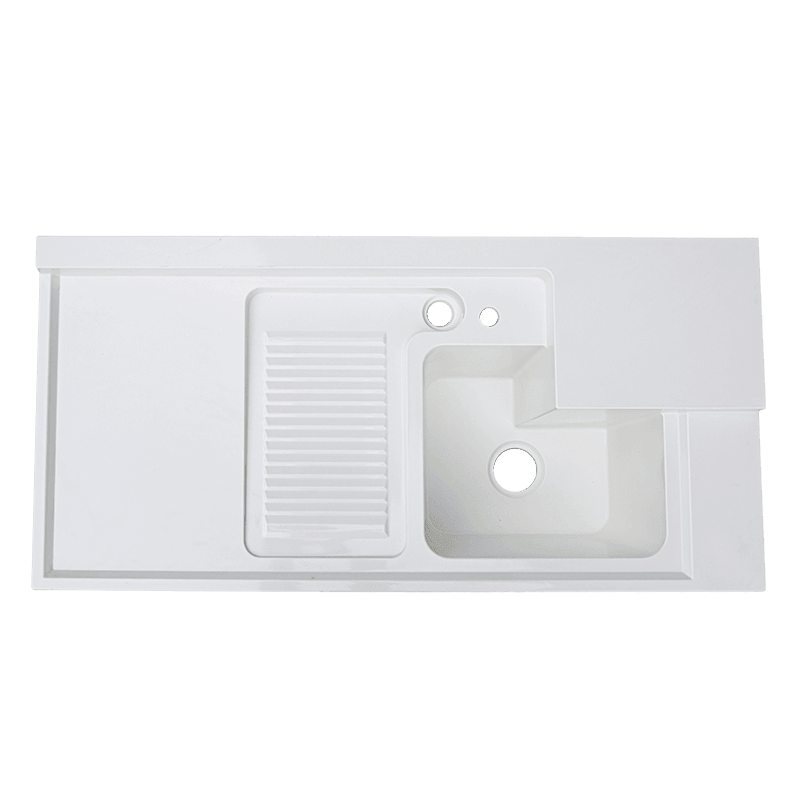


JF - Space-Saving SMC Composite Wash Basin
Upgrade your utility space with the JF Wash Basin Series, the laundry sink engineered for performanc
-
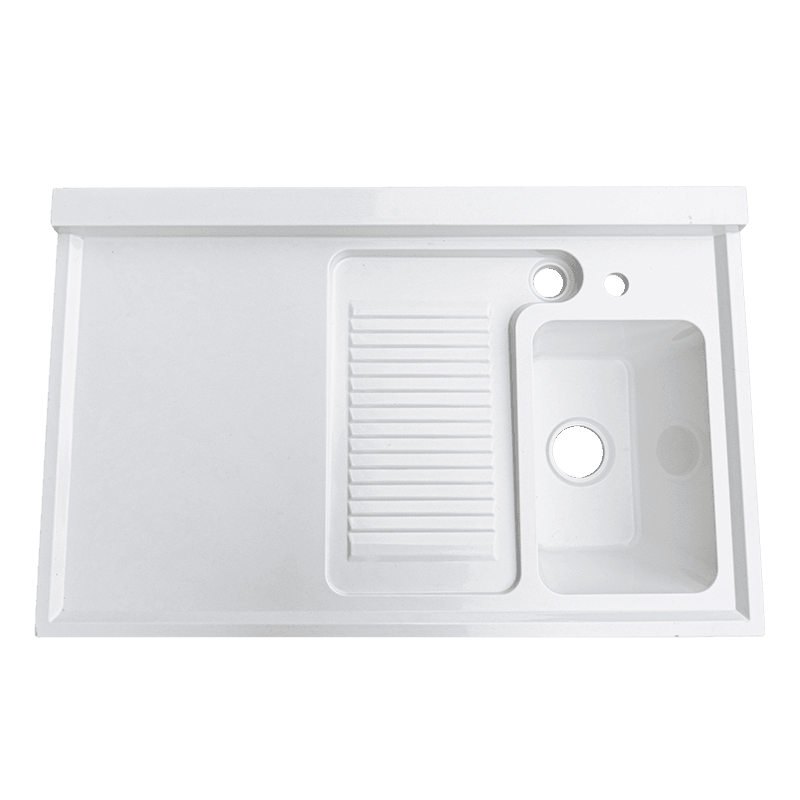
JF - SMC Composite Wash Basin for Bathroom Shower Room
Upgrade your utility space with the JF Wash Basin Series, the laundry sink engineered for performanc
-
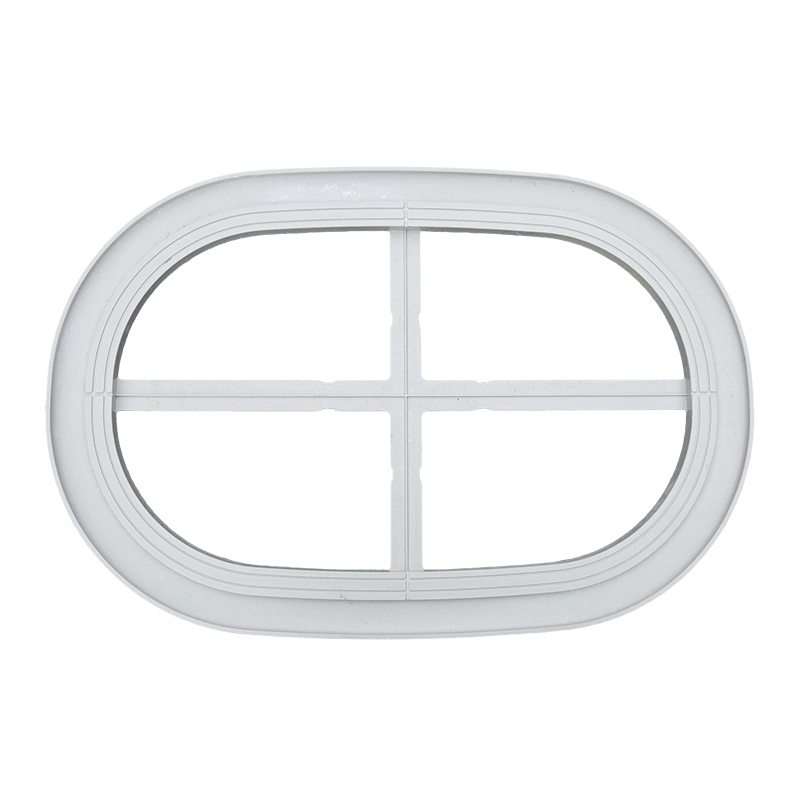
JF - White SMC Composite Mirror Frame
Elevate your space with the JF - Mirror Frame Series—a premium SMC (Sheet Molding Compound) compos
SMC composite bathroom products are made of aerospace-grade SMC sheet molding compound, molded under high temperature and pressure. They combine lightweight, high strength, waterproofing, moisture resistance, corrosion resistance, antibacterial properties, and easy cleaning, making them an ideal choice for modern prefabricated renovations. Compared to traditional tiles and stone, SMC panels offer seamless splicing and flexible shapes, enabling dry and wet separation, irregularly shaped wall panels, and integrated chassis designs, eliminating the risk of leakage at the source. The dense, smooth surface is resistant to dirt and bacteria growth, making daily cleaning and maintenance easy and convenient. The product range includes integrated bathrooms, shower trays, washbasins, and wall panels, widely used in hotels, apartments, luxury residences, healthcare facilities, and RVs, helping to create comfortable, clean, and efficient bathroom spaces.

Hangzhou Jufeng Urban Support Equipment Co., Ltd.
Founded in 2002, Hangzhou Jufeng Urban Support Equipment Co., Ltd. has always been deeply rooted in the field of high-performance composite materials. We are not only one of the early-established and large-scale manufacturers of composite manhole covers in China, but also an innovator of industry concepts. Composite Bathroom Vanity Manufacturers in China, SMC Composite Bathroom Vanity Factory.
Our modern production base covering more than 20,000 square meters has witnessed our strategic upgrade from a "standardized product manufacturer" to a "customized solution provider". We deeply understand that what customers purchase is not just manhole covers, but reliable load-bearing solutions, innovative material applications and professional engineering design support.
We provide composite material solutions tailored to the usage scenarios, load standards, and environmental requirements of different industries. SMC Composite Bathroom Vanity Custom.
Different processes correspond to varying levels of structural complexity and precision. We can select the ideal manufacturing method based on your product structure, production volume, and performance requirements.
By adjusting the matrix and reinforcing materials, we can directionally enhance specific properties, ensuring the material truly adapts to its intended application.
At present, we serve municipal engineering firms, architectural designers, industrial equipment manufacturers and creative design companies in more than 30 countries, providing high-performance composite material customization solutions for various scenarios such as subways, airports, ports and commercial complexes.
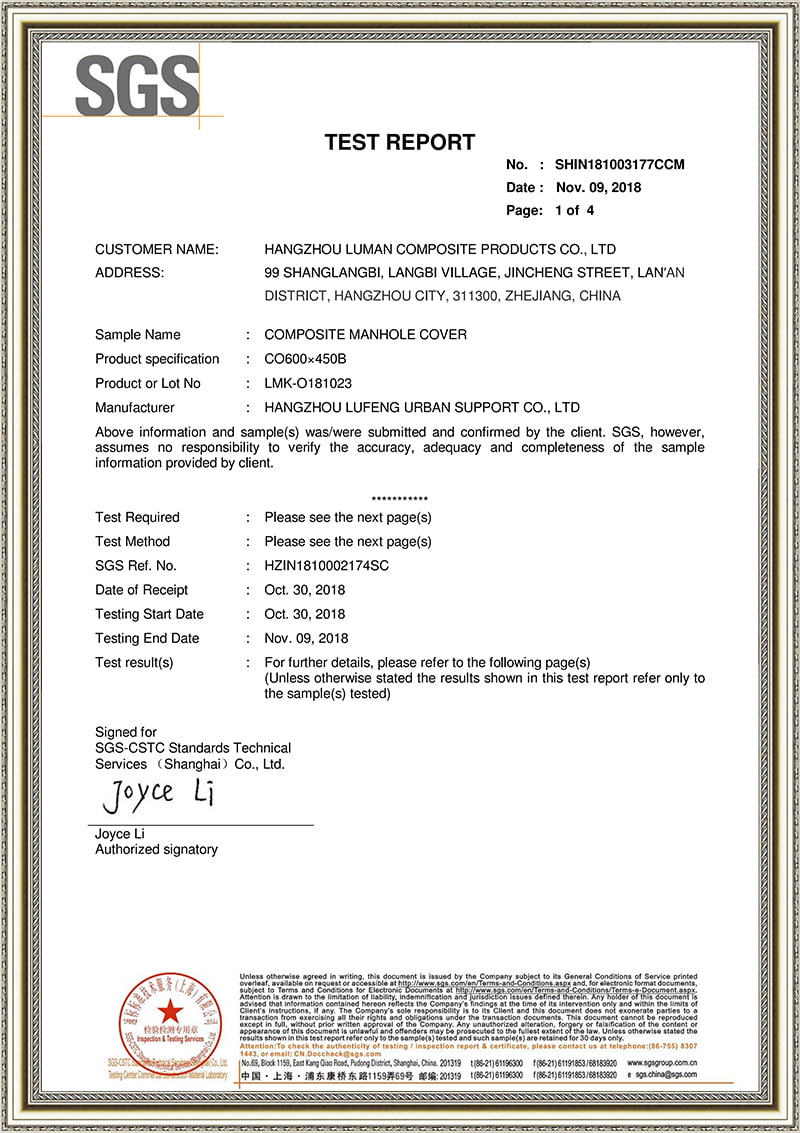
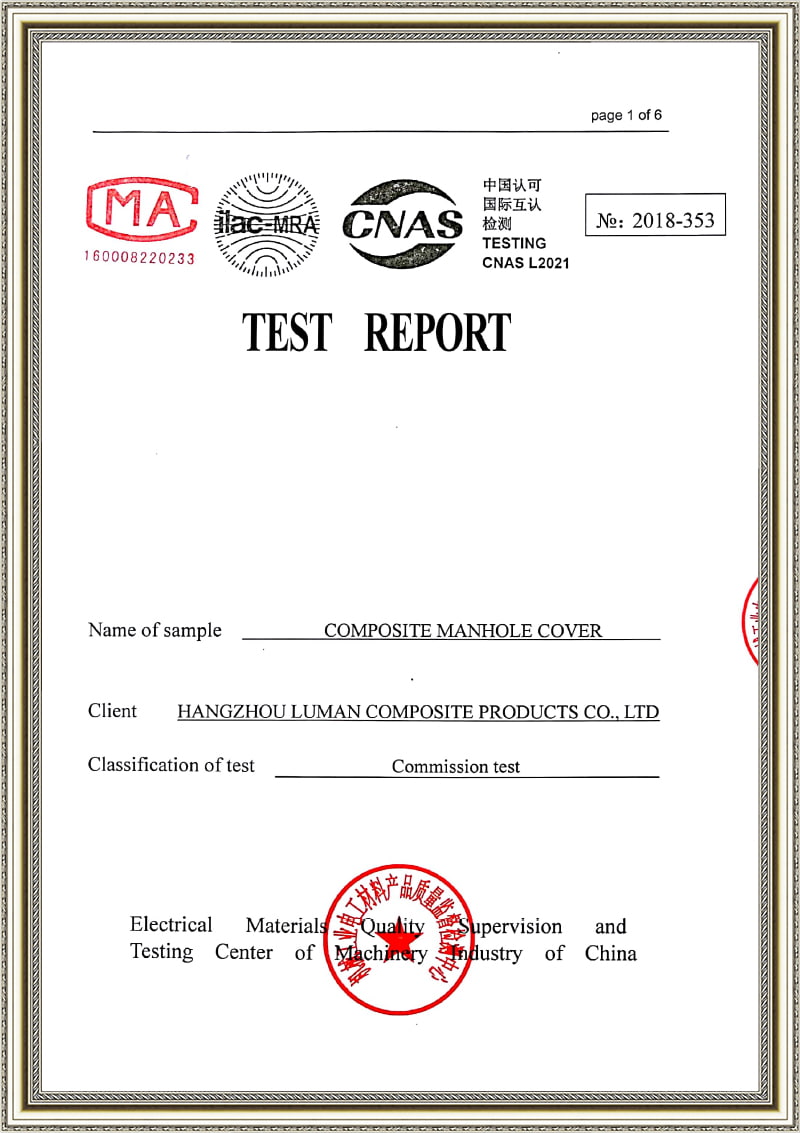
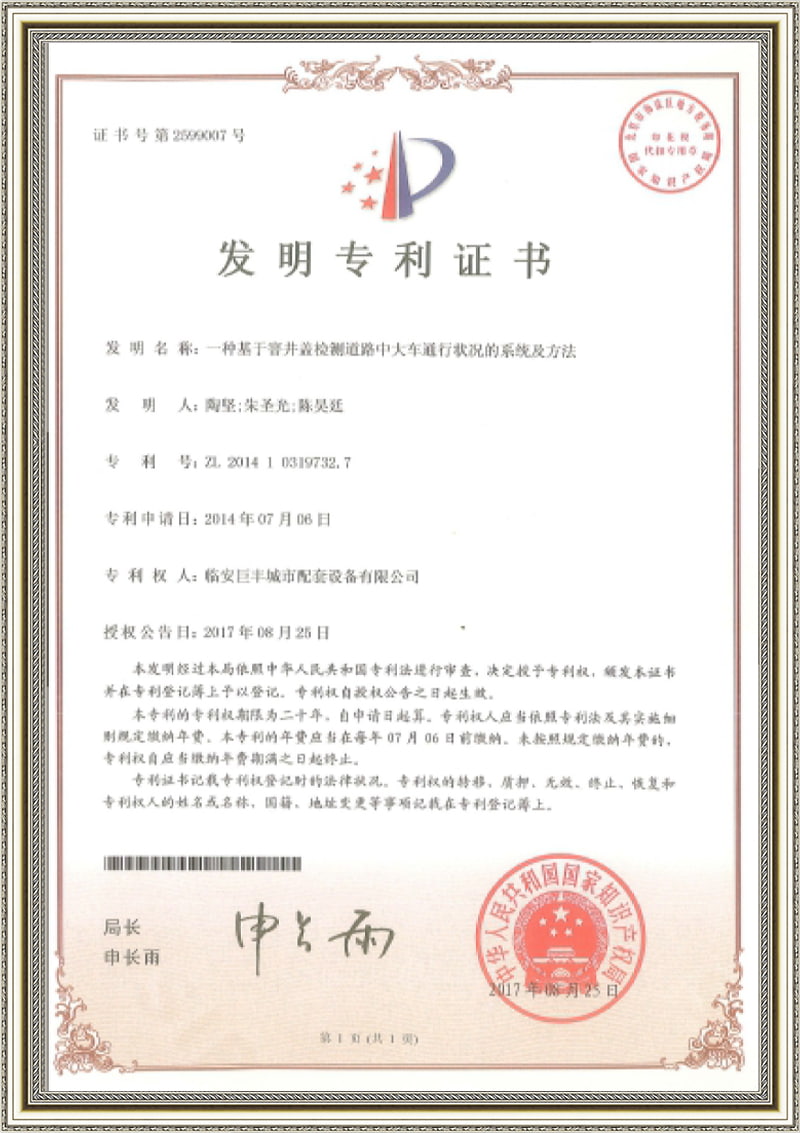
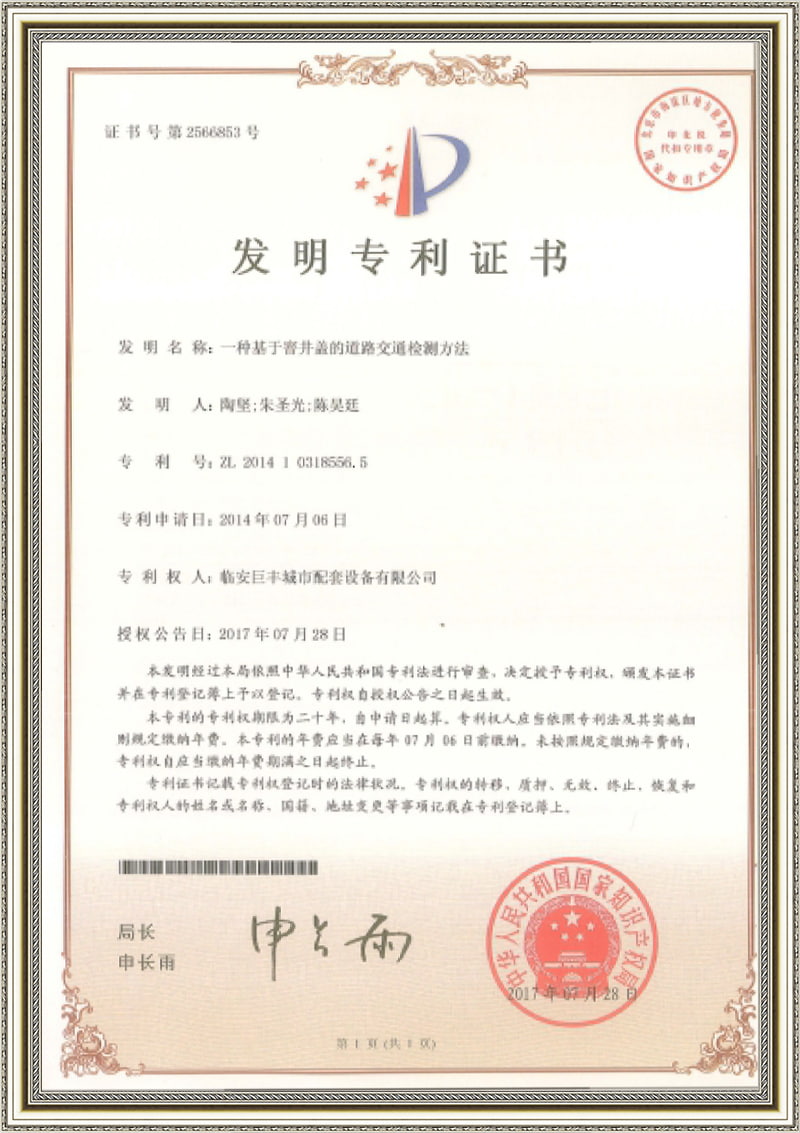
Certificate

Customization Process
HOW TO START YOUR CUSTOM PROJECT
-
 01
01
Needs Communication
Share your scenarios, challenges, and expectations with us.
-
 02
02 Solution Design
Our technical team provides material selection, structural design, and process recommendations.
-
 03
03 Sample Prototyping
Fast response with physical samples for verification.
-
 04
04 Mass Production
Reliable quality and on-time delivery supported by our flexible production lines.
-
 05
05 Continuous Support
Ongoing technical consultation and after-sales follow-up.
NEWS AND
INFORMATION
INFORMATION
Stay updated with Jufeng's news and information, keep abreast of industry trends, and we will provide
you with relevant information and news.
-
JUFENG INFORMATIONOct 13, 2026Explore more
-
JUFENG INFORMATIONOct 08, 2026Explore more
-
JUFENG INFORMATIONSep 28, 2026Explore more
Industry Knowledge
Why Integral Molding Changes the Maintenance Equation for SMC Composite Bathroom Vanity Tops
The defining engineering advantage of an SMC composite bathroom vanity is that the countertop and sink basin are formed as a single piece in one compression-molding cycle, rather than assembled from a countertop with a separately dropped-in or undermounted sink. This eliminates the sealant joint at the sink perimeter entirely, which is significant because that joint is the single most common failure point in traditional vanity installations, where silicone caulking degrades, discolors, and eventually allows water to seep beneath the surface. Once that seam is removed from the design, there is no seam line for grime, mineral deposits, or bacteria to accumulate along, and daily cleaning becomes a single continuous wipe rather than a scrub-around-the-edges routine.
Because the gel-coated resin surface is inherently non-porous, water absorption through the surface stays below roughly 0.3 percent by standard test methods, and this figure does not increase meaningfully with age or repeated UV exposure the way natural stone sealants tend to degrade over a service life. For Hangzhou Jufeng Urban Support Equipment Co., Ltd., this material behavior is one of the reasons composite material customization has expanded beyond underground infrastructure into architectural interior products, since the same non-porous, corrosion-resistant resin chemistry developed for manhole covers translates directly into hygienic, low-maintenance surfaces above ground.
Thermoforming Versus Compression Molding: Choosing the Right Process for the Design
Not all composite vanity production uses the same manufacturing route, and the choice affects what geometries are actually achievable. Compression molding under heat and pressure produces the densest, most dimensionally accurate parts and is typically used for the sink basin and integrated backsplash sections where wall thickness and structural rigidity matter most. Thermoforming, by contrast, involves heating a flat or partially formed sheet and reshaping it over a mold, which is better suited to sweeping curved profiles, waterfall edges, or continuous surfaces that wrap from a countertop into a wall panel without a visible transition.
- Compression molding delivers tighter tolerances for integral sink basins and drain openings
- Thermoforming allows continuous curved transitions between countertop, backsplash, and wall cladding
- Wall thickness can be varied within a single mold to reinforce high-stress areas like faucet mounting points
- Both processes support consistent gel-coat pigmentation through the full material depth, so surface scratches do not expose a different substrate color
A specification that names only "solid surface" without identifying the intended forming process leaves the fabricator to choose, which can result in a mismatch between the design intent and what the mold tooling can actually produce economically at the requested volume.
Repairability as a lifecycle cost factor
Unlike natural stone or ceramic, where a chip or deep scratch is typically permanent, the pigment-through construction of a composite bathroom vanity allows minor surface damage to be sanded and buffed back to its original finish on site. For hospitality and commercial property owners planning multi-decade renovation cycles, this repairability meaningfully lowers the total cost of ownership compared to materials that require full replacement after visible surface damage.
Selecting Bowl Geometry, Edge Profile, and Thickness for the Application
Bowl geometry is not purely a design choice; it interacts directly with cleaning behavior and splash containment. A rectangular or D-shaped basin maximizes usable counter space around it but requires more careful attention to internal radius design to avoid standing water in square corners, while an oval basin sheds water toward the drain more consistently but sacrifices some counter footprint. Edge thickness at the sink opening is another frequently underspecified variable: a standard one-inch build-up at the rim gives the composite bathroom vanity a more substantial, premium appearance and adds rigidity around the drain cutout, which is the highest-stress point on the entire top.
| Selection Variable | Residential Priority | Commercial or Hospitality Priority |
|---|---|---|
| Bowl geometry | Aesthetic match to interior style | Cleaning speed and splash control |
| Edge thickness | Visual weight and finish quality | Impact resistance at high-traffic edges |
| Faucet configuration | Single centered hole, minimal footprint | Multi-hole spacing for touchless or widespread fixtures |
Serving architectural designers and creative design companies across more than 30 countries, our teams routinely see these two priorities pull in different directions on the same project, which is why bowl and edge configuration are treated as project-specific engineering decisions rather than fixed catalog options.
Hygiene and Compliance Considerations for High-Traffic Washroom Environments
Airports, transit hubs, and commercial complexes place different demands on a vanity surface than a residential bathroom, primarily around cycle count and vandalism resistance rather than aesthetics alone. A seamless composite bathroom vanity avoids the grout lines and caulked seams that accumulate bacteria under repeated public use, which is one reason healthcare and hospitality specifiers increasingly favor integral solid surface construction over tiled or laminate alternatives in shared washrooms. For barrier-free and accessible installations, front overhang depth, apron clearance, and mounting height all need to be confirmed against local accessibility codes before tooling is finalized, since these dimensions are difficult to alter once a mold is cut.
Founded in 2002 and having grown its production base to more than 20,000 square meters, Hangzhou Jufeng Urban Support Equipment Co., Ltd. approaches this category the same way it approaches load-bearing infrastructure products: by connecting the specification to the actual usage scenario, whether that is a subway station washroom cycling thousands of users daily or a boutique commercial complex prioritizing finish quality over throughput.
GET IN TOUCH
FOLLOW US
QUICK LINKS
PRODUCTS CATEGORY
CONTACT US
- Phone: +86-571-63701828
- E-mail: info@jf-luman.com
qin@jf-luman.com - Whatsapp: +86 13175123702
- Address: Langbi Industrial Zone, Jincheng Sub-district, Lin'an District, Hangzhou City, Zhejiang Province
Copyright © Hangzhou Jufeng Urban Support Equipment Co., Ltd.
All Rights Reserved. SMC Composite Bathroom Vanity Factory in China
All Rights Reserved.
SMC Composite Bathroom Vanity Factory in China