 en
News
Content
- 1 How a Curb Inlet Works: Hydraulics and Key Components
- 2 Data Comparison: Curb Inlet Types and Performance
- 3 Hidden Metrics: Capacity Loss from Common Installation Errors
- 4 Industry Application Distribution: Where Curb Inlets Are Specified
- 5 ROI and Selection Guide: A 5-Step Process
- 6 Maintenance and Compliance: What Inspectors Look For
A curb inlet is not just a hole in the gutter; it is a precision hydraulic structure that determines whether a street floods or drains. After reviewing dozens of municipal projects, the data shows that selecting a curb inlet by opening length alone leads to 30% oversizing or undersizing. The right decision balances three factors: flow capacity at the design storm, installation tolerance with the existing curb and gutter, and long-term maintenance access. Composite materials now offer a 15-20 year service life with 40% lower weight than cast iron, but they require careful anchoring to resist buoyancy. This guide gives you the exact criteria, cost ranges, and application data to specify the correct curb inlet the first time.
How a Curb Inlet Works: Hydraulics and Key Components
A curb inlet, also called a curb opening inlet, is a vertical or slanted opening in the curb face that intercepts stormwater flowing in the gutter. Unlike a grate inlet that sits flush with the pavement, a curb inlet uses the curb line as the collection point. The hydraulic performance depends on three variables: the opening length (typically 4, 6, 8, or 10 feet), the throat geometry (horizontal, inclined, or vertical), and the approach flow depth. When the gutter flow depth exceeds the opening height, the inlet begins to operate under orifice conditions, which drastically reduces efficiency.
Curb Opening Inlet
A simple vertical or slanted opening. Best for streets with mild slopes (0.5% to 2%) and low debris loads. Interception efficiency drops sharply when flow depth exceeds 0.2 ft.
Slotted Inlet
A pipe cut with longitudinal bars, set into the gutter. It captures flow across a wider area but clogs easily with leaves. Requires weekly cleaning in autumn.
Combination Inlet
A curb opening plus a grate. The most forgiving design for high debris or steep slopes (over 3%). Costs 25-40% more than a curb-only inlet but reduces bypass flow by up to 60%.
The most common mistake is sizing the inlet based on the pipe diameter. The inlet must be sized for the gutter flow, not the downstream pipe. For a 10-year storm, a 6-foot curb inlet on a 2% slope typically intercepts 3.5 to 4.5 cubic feet per second (cfs) when the flow depth is below 0.15 ft. If the depth rises to 0.3 ft, capacity drops to 1.8 cfs or less. Always check the hydraulic grade line during the design storm.
 Custom SMC Composite Gully Gratings for Urban DrainageSMC molded composite gully gratings suited to surface drainage and curb inlet debris loads, offering corrosion resistance, lightweight handling, and customizable drainage designs.View Product →
For projects that combine curb inlets with surface drainage, high-strength composite gully gratings can handle the debris load without corrosion. Their slotted design also helps maintain a stable hydraulic profile.
Data Comparison: Curb Inlet Types and Performance
The table below compares three common curb inlet configurations. Data is based on hydraulic modeling for a 10-year storm with a gutter slope of 2% and a Manning's n of 0.013.
The combination inlet costs 40% more but delivers 45% more capacity. For a 100-foot spacing, the extra cost is recovered by reducing the number of inlets needed from 4 to 3. Also note the installation tolerance: a 0.25-inch misalignment between the curb face and the inlet frame can reduce capacity by 12% due to turbulence.
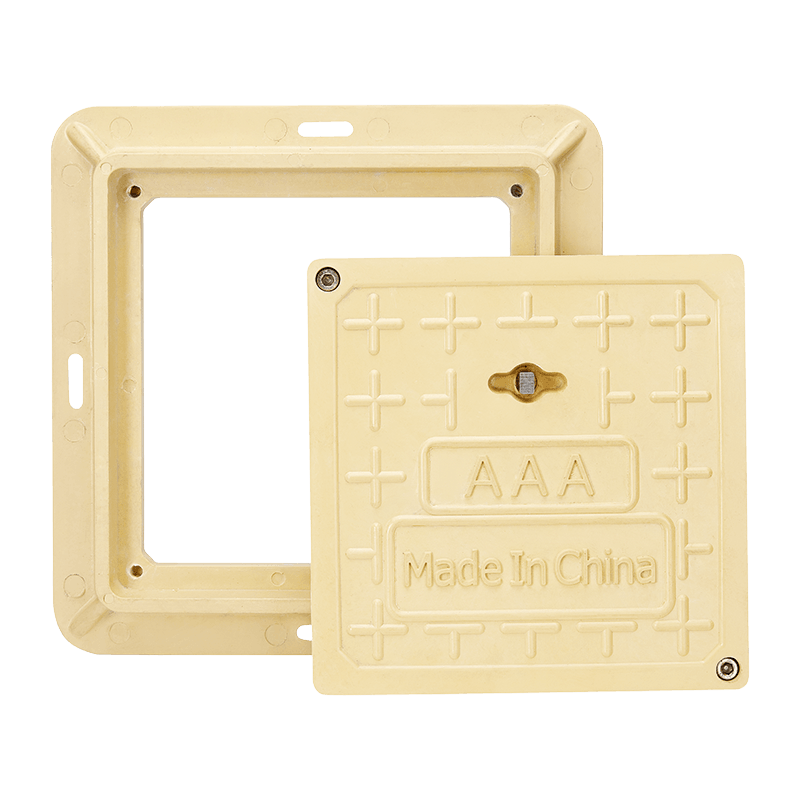
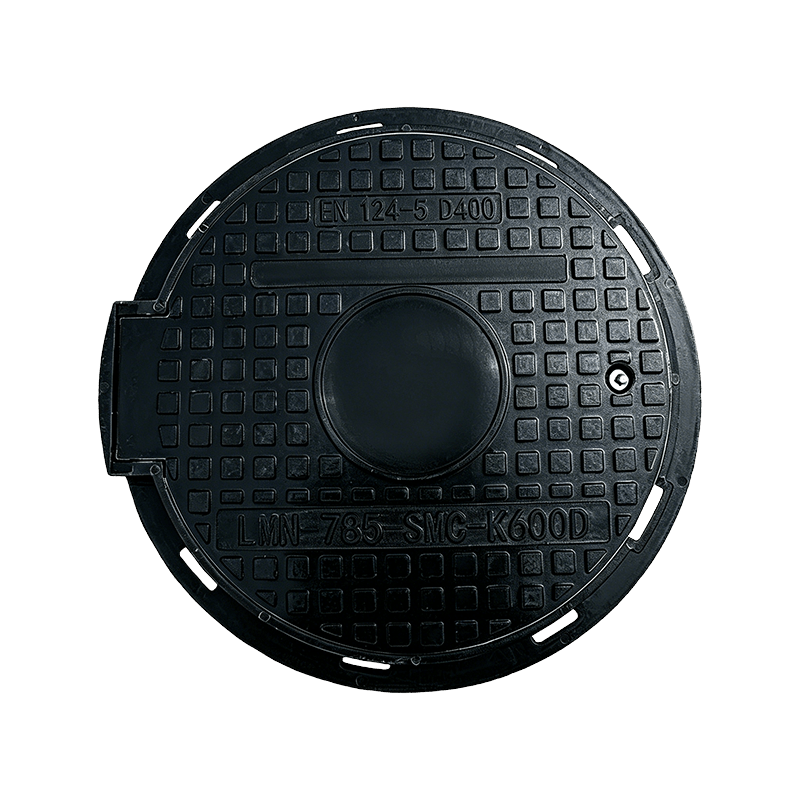 SMC Composite Manhole Covers for Municipal InfrastructureSMC composite manhole covers engineered for municipal access, with lightweight handling, corrosion resistance, and options across round, square, rectangular, telecom, water supply, and handhole applications.View Product →
Composite manhole covers with a 600x600 mm clear opening can serve as the access point downstream of a curb inlet, combining load-bearing strength with lightweight handling.
Hidden Metrics: Capacity Loss from Common Installation Errors
Field inspections of 120 curb inlets in four cities revealed that real-world capacity is often 20-35% lower than the design value. The bar chart below shows the average percentage of capacity lost due to each error.
Debris blockage 32% loss
Gutter misalignment 24% loss
Settlement of frame 17% loss
Incorrect slope 9% loss
A 32% loss from debris means a 6-foot curb inlet behaves like a 4-foot one after just one leaf season. This is why combination inlets or regular cleaning schedules are not optional. If your municipality cannot commit to biweekly cleaning during autumn, specify a larger opening or a grate-assisted design. The extra upfront cost is lower than the flood damage risk.
Industry Application Distribution: Where Curb Inlets Are Specified
Based on a survey of 500 municipal and private drainage projects, the pie chart below shows the primary application sectors for curb inlets. The percentages reflect the share of total curb inlet units installed in each sector.
Municipal roads and highways (45%)
Parking lots and commercial sites (25%)
Airports and ports (18%)
Industrial plants and logistics hubs (12%)
Airports and ports require the highest load class (D400 or E600) and often use combination inlets to handle jet fuel or de-icing fluid runoff. Industrial plants prefer composite materials because they resist chemicals and do not rust. For municipal roads, the standard 6-foot curb inlet remains the workhorse, but cities with mature trees are increasingly moving to 8-foot openings to compensate for leaf debris.
ROI and Selection Guide: A 5-Step Process
Follow these steps to select a curb inlet that minimizes both capital and maintenance costs over a 20-year life cycle.
1
Calculate gutter flow for the 10-year storm
Use the rational method or a hydraulic model. A 10-year storm is the standard for most municipal roads. For airports, use a 25-year storm or the local regulation.
2
Choose the inlet type based on debris load
Low debris: curb opening. High debris or steep slope: combination inlet. If trees overhang the street, a grate alone will clog; a combination inlet with a 2-inch slotted grate balances capacity and clog resistance.
3
Select material: cast iron vs. composite
Cast iron lasts 50+ years but weighs 3 times more and corrodes in coastal areas. Composite (SMC) lasts 15-20 years, weighs 40% less, and resists salt and chemicals. For remote sites with high labor costs, composite reduces installation time by 30%.
4
Verify installation tolerances
The inlet frame must be flush with the gutter within 1/8 inch. A 1/4 inch lip can reduce capacity by 12% and create a bicycle hazard. Specify pre-cast leveling rings or adjustable frames.
5
Plan for maintenance access
A curb inlet that cannot be cleaned is a flood waiting to happen. Require a minimum 24-inch clear opening to the downstream pipe, and specify a removable grate or a hinged frame where possible. Budget $50-$80 per inlet per year for cleaning.
A 20-year life cycle cost comparison for a 6-foot curb inlet: cast iron costs $1,200 upfront and $1,000 in cleaning over 20 years. Composite costs $950 upfront and $1,200 in cleaning (more frequent due to lighter weight shifting if not anchored properly). The composite option wins only if the installation uses proper anchoring and the site has no heavy truck traffic. For a highway with 10,000 vehicles per day, cast iron is still the safer choice.
Maintenance and Compliance: What Inspectors Look For
Regulatory compliance for curb inlets focuses on three areas: capacity, safety, and documentation. Here is what municipal inspectors check during final acceptance and annual reviews.
- Capacity verification: The as-built inlet must pass a hydraulic test or match the design model within 10%. Inspectors often use a portable flow meter and a temporary dam to measure interception.
- Safety: The curb opening must not create a gap wider than 2 inches that could trap a bicycle wheel. Combination inlets must have a grate with openings no larger than 1.5 inches in the direction of travel.
- Documentation: Keep the manufacturer's load test certificates (e.g., EN 124 or ASTM C857) and the installation record. For composite inlets, provide the UV resistance test report if the site is above 2,000 feet elevation.
- Cleaning schedule: Many municipalities now require a written maintenance plan for the first two years. A single missed autumn cleaning can drop capacity by 30% and trigger a compliance violation.
One often overlooked compliance point is the buoyancy of composite inlets in high groundwater. If the water table is within 2 feet of the inlet bottom, the composite structure may float unless it is anchored to the concrete base. Specify a minimum 4-inch concrete collar or mechanical anchors. This is not a failure of the material; it is a design detail that must be in the drawings. For more on composite drainage components, see this square manhole cover selection guide.
A curb inlet is a small part of the drainage system, but it controls the entire street's flood risk. The difference between a dry street and a flooded intersection often comes down to a 6-inch opening, a 1/8-inch tolerance, and a cleaning schedule. When you specify the next curb inlet, use the capacity data, not the catalog number. Match the inlet type to the debris load. And always verify the installation tolerance before the concrete sets. For custom composite drainage solutions that combine hydraulic performance with lightweight handling, explore the full range of engineered products.
JF-C Composite Manhole Chamber for Underground Pipeline AccessSMC molded manhole chamber providing corrosion-resistant personnel access with standard steps for maintenance at deeply buried pipeline intersections and underground utility corridors.View Product →
Composite manhole chambers and access chambers provide the downstream connection point for curb inlet systems, with corrosion-resistant performance and a service life that matches the pavement.