 en
en News
Content
- 1 Why Are Utilities Replacing Cast Iron Covers Faster Than the Replacement Schedule Predicts?
- 2 Core Design Elements: Load Class, Sealing, and Locking Mechanism
- 3 Material Comparison: Ductile Iron vs. BMC Composite vs. Concrete-Filled Steel
- 4 Where the Market Is Installing These Covers
- 5 20-Year Cost Impact of Theft-Resistant Design
- 6 Selection and Installation Workflow
- 7 Maintenance and Regulatory Compliance
- 8 Frequently Asked Questions
- 9 Summary
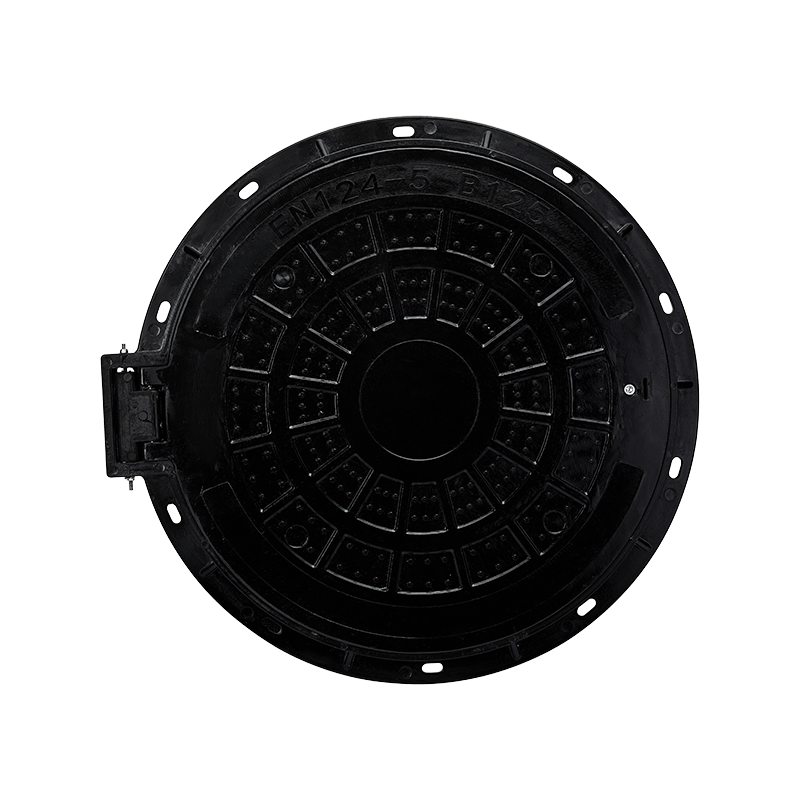
A cracked or stolen manhole cover on a water supply line isn't just a maintenance ticket — it's an open access point into a pressurized network that can trigger contamination liability. Water utilities specifying water supply manhole covers today are shifting away from unlocked cast iron toward composite and locking ductile iron designs, and the field data explains why.
Core Finding
Utilities that switched from unlocked cast iron to BMC/composite or locking ductile iron water supply manhole covers report theft-related replacement incidents dropping by roughly 80–95%, while total 20-year lifecycle cost runs 20–30% below repeatedly-replaced cast iron in areas with high scrap-metal theft exposure.
Why Are Utilities Replacing Cast Iron Covers Faster Than the Replacement Schedule Predicts?
Design engineers rarely budget for theft when they spec a 25-year cast iron cover. But scrap-metal pricing cycles have made unlocked iron covers a recurring target, and each theft event forces an emergency replacement, a temporary safety barricade, and — in a live water main chamber — a contamination risk assessment before service resumes. That unplanned cost stack is what's pushing composite and mechanically-locked designs into current-generation specifications.
Core Design Elements: Load Class, Sealing, and Locking Mechanism
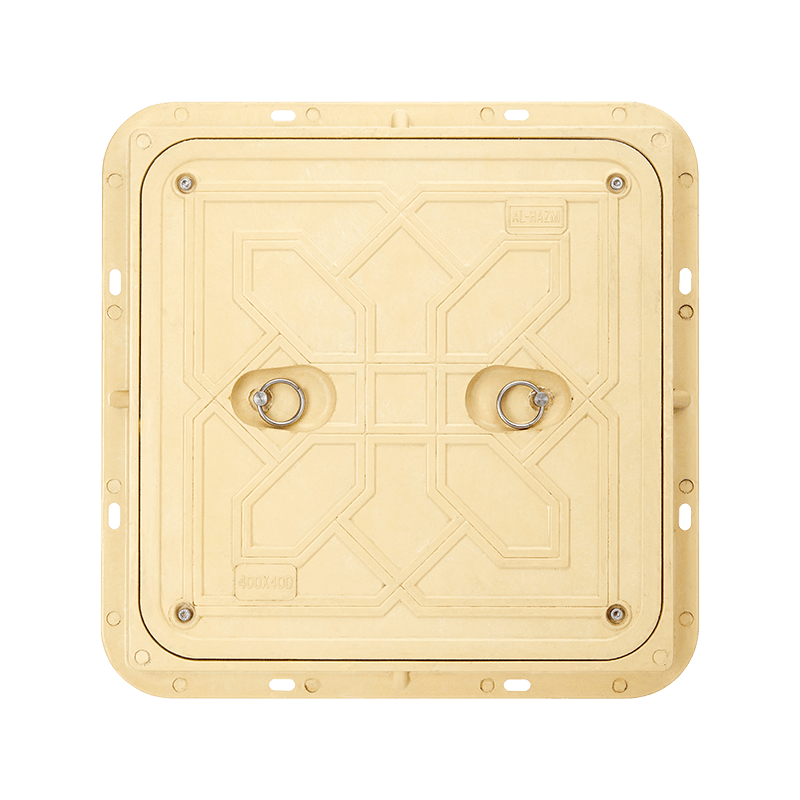
Three engineering variables determine whether a manhole cover performs correctly over its service life on a water supply network: the load rating class, the seal against surface water ingress, and the locking mechanism securing it to the frame.
EN124 Load Classification
Covers are rated A15 (pedestrian) through F900 (airport/heavy industrial), matched to the actual traffic loading of the installation location, not a default catalog choice.
Anti-Theft Locking Bolts
Security bolts or hinged-lock mechanisms requiring a specialized key prevent casual removal, addressing the single largest driver of unplanned cover replacement.
Watertight Gasket Seal
An EPDM or rubber gasket between cover and frame keeps surface runoff and contaminants out of the chamber — critical on potable water supply access points.
Corrosion-Resistant Material
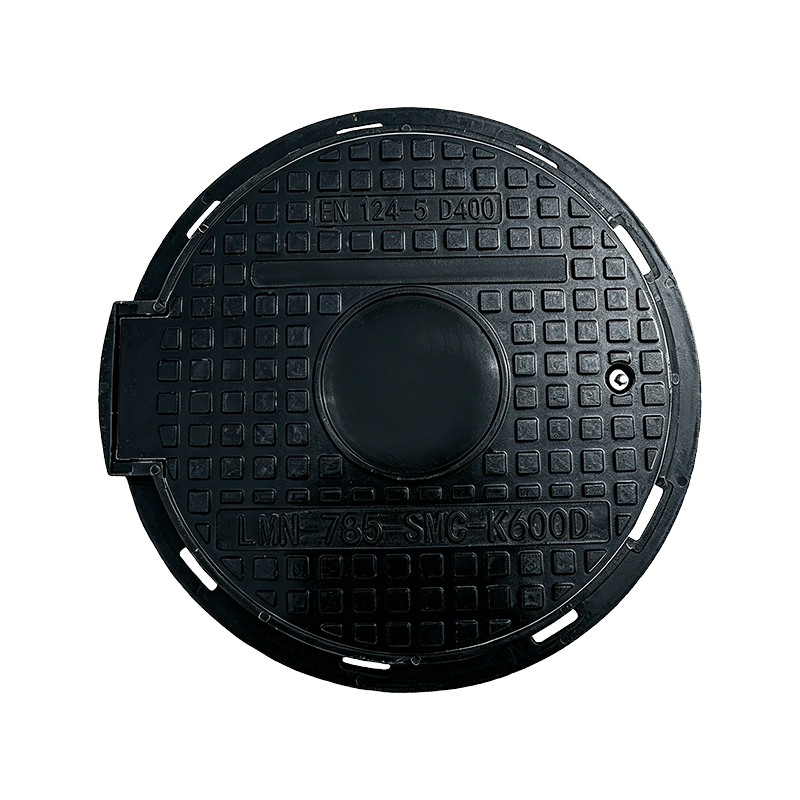
Ductile iron with polymer coating or BMC/composite construction resists the chloride and moisture exposure typical of underground water chambers.
Non-Rock Frame Fit
Precision-machined seating between cover and frame eliminates the rocking and rattling that accelerates wear and generates noise complaints under traffic load.
Identification Marking
Cast or molded "WATER" markings and utility logos help field crews distinguish supply chambers from sewer or telecom access points during emergency response.
Material Comparison: Ductile Iron vs. BMC Composite vs. Concrete-Filled Steel
Each material trades off differently across theft resistance, weight, and long-term corrosion behavior:
Table 1: Comparative specifications for common water supply manhole cover materials, based on typical manufacturer test data and EN124 classification ranges.
Where the Market Is Installing These Covers
Demand for upgraded water supply manhole covers concentrates around network segments with the highest exposure — either to vehicle loading or to theft risk:
Urban roadway water mains — 34%
Residential distribution networks — 26%
Industrial park water supply — 20%
Airport & rail infrastructure — 13%
Rural pipeline access points — 7%
Figure 1: Estimated distribution of water supply manhole cover installations by network segment, based on typical municipal procurement patterns.
20-Year Cost Impact of Theft-Resistant Design
Modeled per intersection cluster (typically 6–8 covers) in a moderate-theft-risk urban zone over a 20-year horizon, including emergency callouts, barricading, and replacement labor:
$18,400
Unlocked Cast Iron
$12,900
Locking Ductile Iron
$13,600
BMC Composite
Figure 2: Estimated 20-year total cost per intersection cluster, including replacement labor and emergency response, in a moderate-theft-risk zone.
In zones with severe scrap-theft activity, the gap widens further, since composite covers carry effectively zero resale incentive for opportunistic theft.
Selection and Installation Workflow
1
Determine Traffic Load Class
Survey the installation site — sidewalk, residential street, arterial road, or industrial yard — and select the matching EN124 class (A15 through F900).
2
Assess Theft Risk Profile
Cross-reference the area against historical scrap-theft incident data to decide between coated ductile iron with locking bolts or full composite construction.
3
Confirm Frame Diameter & Seal Type
Match cover diameter and gasket type to the existing chamber frame, or specify a matched frame-and-cover set for new installations to guarantee seal integrity.
4
Factory Testing & Certification Review
Request EN124 or equivalent load test certification and material composition documentation before shipment approval.
5
Frame Bedding & Installation
Set the frame in a properly cured mortar or concrete bed level with surrounding grade, avoiding shims that create long-term rocking under repeated loading.
6
Register in Asset Inventory
Log GPS location, load class, and lock-key reference in the utility's asset management system to streamline future inspection and emergency access.
Maintenance and Regulatory Compliance
- Inspect gasket seals annually for compression set or debris buildup that compromises the watertight barrier into potable water chambers.
- Verify locking bolt torque during routine inspection cycles — loosened bolts are the most common precursor to successful theft attempts.
- Confirm cover markings remain legible; illegible or missing "WATER" identification is a common finding in utility compliance audits and slows emergency response.
- Cross-check load class against any changes in surface traffic use — a sidewalk reclassified for occasional vehicle access requires a cover upgrade, not just a frame repair.
- Maintain a documented chain of custody for lock keys; utilities that centralize key control report significantly fewer unauthorized access incidents than those with distributed field-crew key sets.
Frequently Asked Questions
What load class should a residential street water supply manhole cover use?
Most residential streets specify B125, rated for light vehicle traffic including cars and light delivery vans. Streets with bus routes or heavier traffic typically require C250 or D400.
Are composite manhole covers strong enough for road traffic?
Yes, up to D400 classification in most product lines, which covers standard roadway and parking areas. For extreme heavy-duty applications like ports or airport aprons, ductile iron rated to E600 or F900 remains the standard choice.
How does a locking mechanism prevent theft without slowing emergency access?
Standard locking systems open in seconds with a matched key tool carried by authorized crews, while remaining resistant to prying tools or casual removal attempts by unauthorized parties.
Can water supply covers be distinguished from sewer covers on-site?
Yes — reputable manufacturers cast or mold "WATER" directly into the cover face, often paired with a standardized color coding scheme where local regulations require it, preventing confusion during excavation or emergency repair work.
Do composite covers perform well in freezing climates?
Yes. BMC composite material does not become brittle at low temperatures the way some plastics do, and it avoids the freeze-related surface spalling that can affect concrete-filled frames.
How often should manhole cover seals be inspected?
Annual visual inspection is standard practice for potable water chambers, with more frequent checks recommended in areas with heavy freeze-thaw cycling or high traffic vibration that can accelerate gasket wear.
What causes manhole covers to rattle under traffic, and how is it fixed?
Rattling typically results from wear between the cover seating surface and frame, or from an improperly bedded frame. Precision-machined non-rock designs address the first cause; correct mortar bedding at installation addresses the second.
Can existing cast iron frames accept a composite replacement cover?
In many cases, yes, provided the frame diameter and seating profile match manufacturer specifications — though for guaranteed sealing performance, ordering a matched frame-and-cover set is generally recommended over mixing components from different production lines.
Summary
Specifying water supply manhole covers correctly means weighing load class, theft exposure, and sealing performance together rather than defaulting to the lowest catalog price. The utilities seeing the strongest lifecycle cost outcomes are the ones matching material choice to actual site risk — locking ductile iron where load demands are highest, composite where theft exposure dominates the cost equation.
Hangzhou Jufeng Urban Support Equipment Co., Ltd. manufactures locking ductile iron and BMC composite water supply manhole covers to EN124 load classifications for municipal water networks, industrial parks, and transit infrastructure projects. Utility engineers evaluating a cover upgrade or new installation are welcome to request load test certificates and technical drawings for project-specific review.