 en
en News
Content
- 1 How a Manhole Cover Actually Works: The Engineering Behind the Circle
- 2 Material Comparison: Which Manhole Cover Delivers the Best Value?
- 3 The Hidden Metric Most Buyers Ignore: Failure Cause Distribution
- 4 Where Are Manhole Covers Actually Used? Industry Application Share
- 5 A 5-Step Selection Process for Procurement Teams
- 6 Maintenance and Compliance: Protecting the Investment
- 7 Frequently Asked Questions About Manhole Covers
- 8 Final Takeaway on Manhole Cover Selection
Every year, road authorities replace millions of failed access points, and a poorly specified manhole cover is one of the most common — and most preventable — causes of pavement complaints, road accidents, and unplanned maintenance budgets. Choosing the right cover is not a minor procurement detail; it directly affects public safety, service life, and total cost of ownership for the next 20 to 30 years.
Core Conclusion
Ductile iron manhole covers rated D400 or higher remain the industry standard for roadway applications, but composite (SMC/BMC) covers are now closing the performance gap while cutting theft-related losses by over 90%, making material selection — not just load class — the real decision that determines lifecycle cost.
How a Manhole Cover Actually Works: The Engineering Behind the Circle
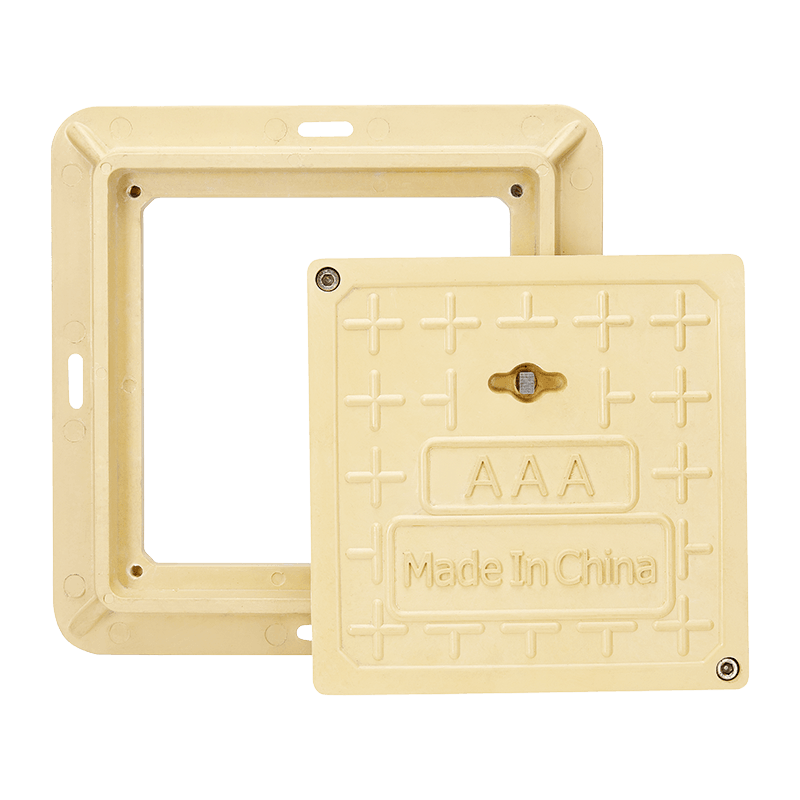
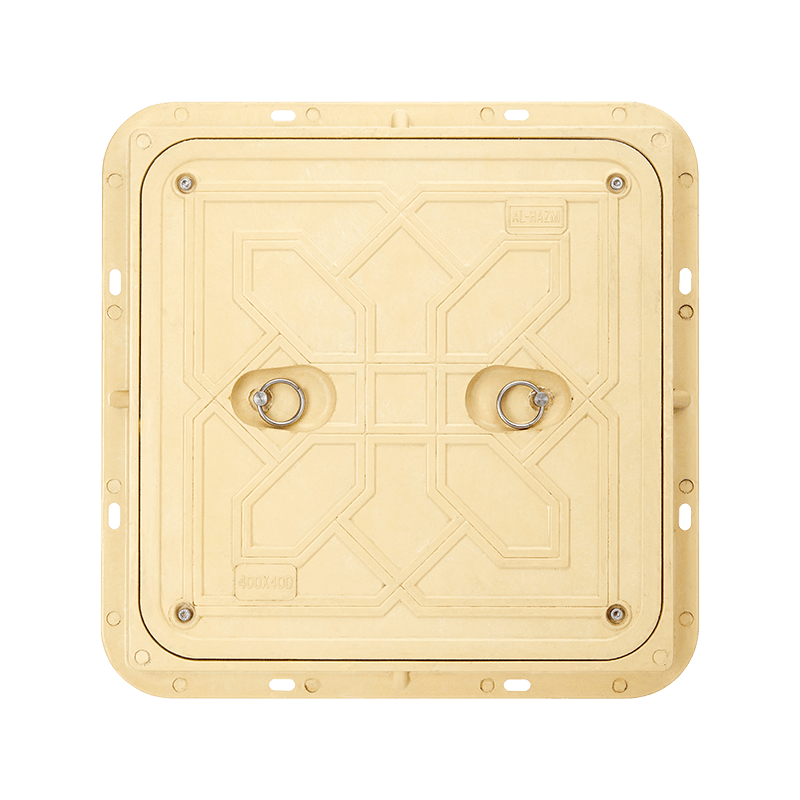
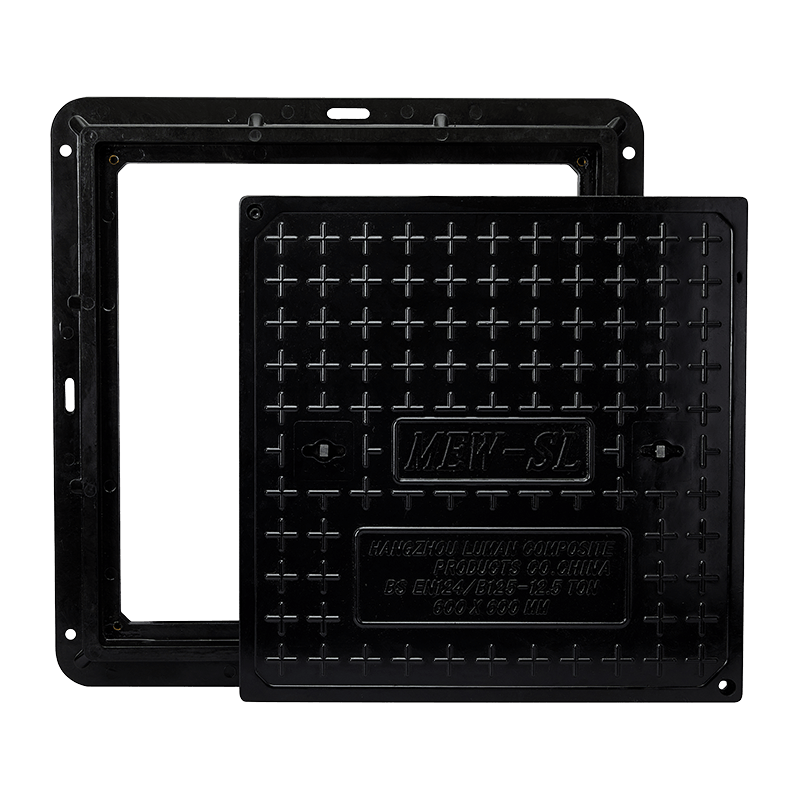
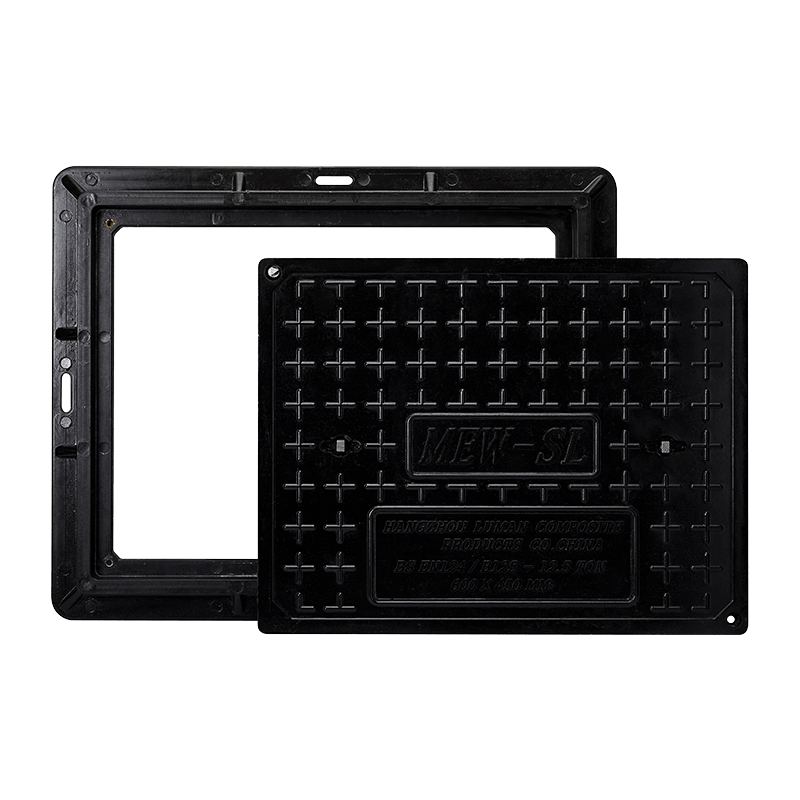
A manhole cover is not simply a lid. It is a load-transfer structure designed to absorb dynamic traffic impact, distribute weight evenly onto a supporting frame, and seal an underground chamber against water, gas, and debris intrusion. Four engineering factors determine whether a cover performs safely over decades of service.
1. Load Class Rating
Defined under EN124 (Europe) or AASHTO (North America), load class dictates the maximum wheel load the cover must withstand — from A15 (pedestrian) to F900 (airport aprons and container terminals).
2. Frame Seating Design
A machined, self-sealing bearing surface between cover and frame is what eliminates the "clanking" noise and rocking motion that accelerates fatigue cracking under repeated traffic loading.
3. Material Composition
Ductile iron (GGG50), grey iron, steel-fiber concrete, and fiber-reinforced composite each offer different trade-offs between strength, weight, corrosion resistance, and resale/theft value.
4. Locking & Security Mechanism
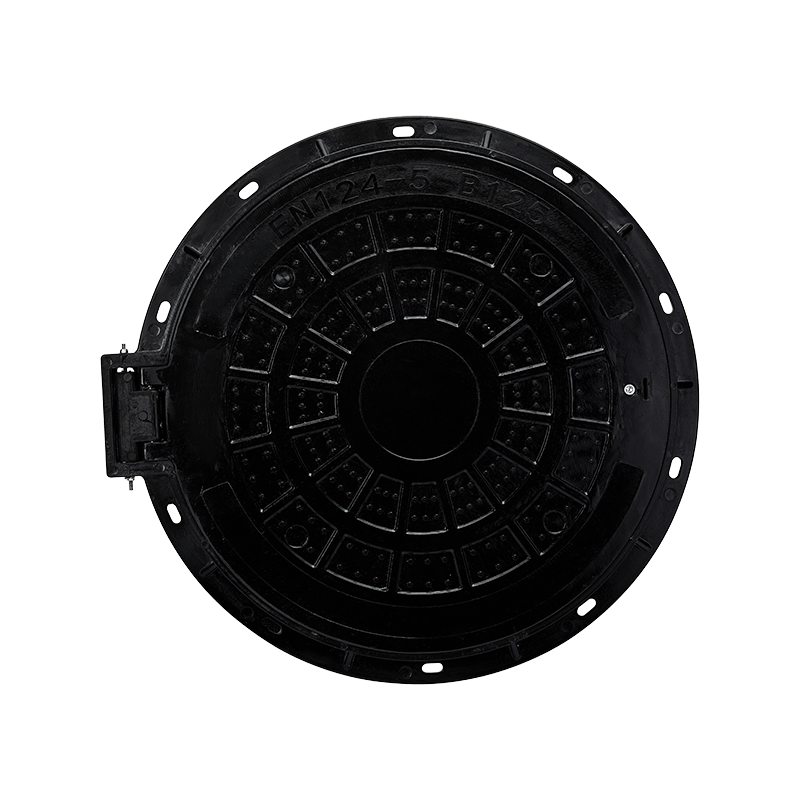
Bolt-down, hinge-lock, or triangular safety-lock systems prevent unauthorized access and reduce liability exposure in high-security zones such as telecom and utility corridors.
Material Comparison: Which Manhole Cover Delivers the Best Value?
Below is a side-by-side comparison of the four materials most commonly specified in municipal and industrial projects today.
Table: Comparative performance of the four dominant manhole cover materials in 2026 specifications.
The Hidden Metric Most Buyers Ignore: Failure Cause Distribution
Procurement teams tend to focus on price and load rating, but field failure data tells a different story. The chart below breaks down the leading causes of premature manhole cover failure reported across municipal maintenance logs.
38%
28%
20%
9%
5%
Incorrect Load Class Poor Frame Bedding Corrosion Theft/Vandalism Manufacturing Defect
The data is clear: 66% of failures trace back to specification and installation errors, not the manhole cover product itself. This is why selecting a supplier that engineers frame-and-cover assemblies together — rather than sourcing them separately — materially reduces long-term risk.
Demand for manhole covers is not evenly spread across sectors. Understanding where the volume comes from helps buyers benchmark specifications against comparable projects.
Municipal Roads & Highways — 37%
Water & Sewer Utilities — 28%
Telecom & Power Networks — 20%
Ports, Airports & Logistics — 10%
Industrial Parks — 5%
Roadway and utility projects together account for nearly two-thirds of global manhole cover demand, which is why D400-rated ductile iron and composite covers dominate manufacturer catalogs — they are engineered for exactly this application mix.
A 5-Step Selection Process for Procurement Teams
Rather than comparing unit prices alone, engineering-led buyers follow a structured selection workflow to protect long-term ROI.
1
Define Traffic Load & Location Class
Classify the installation zone under EN124 (A15 to F900) based on actual vehicle types, not just road category. Airport aprons and container yards require F900 minimum.
2
Evaluate Total Cost of Ownership, Not Unit Price
Factor in expected service life, replacement labor cost, and theft-related re-procurement — composite and ductile iron often win on 20-year TCO despite a higher upfront price than basic cast iron.
3
Verify Certification & Test Reports
Request third-party load-testing certificates for EN124, AASHTO M306, or GB/T 23858 depending on the destination market, and confirm batch traceability.
4
Match Locking & Sealing System to Site Risk
Specify bolt-down or hinged safety-lock covers for high-theft or high-security corridors such as telecom vaults and substations.
5
Confirm Installation Support & Warranty
Since 32% of failures stem from poor frame bedding, prioritize suppliers who provide installation guidelines and a defined warranty on the full frame-and-cover assembly.
Maintenance and Compliance: Protecting the Investment
A correctly specified manhole cover still requires a maintenance program to reach its designed service life.
Inspection Cadence
Visual inspection every 6–12 months for seating gaps, cracking, or corrosion; more frequent checks for covers in heavy freight corridors.
Regulatory Compliance
Covers must match the load class certified for the specific road classification under local codes — mismatched class ratings are a common cause of liability claims after pavement failure.
Anti-Theft Measures
Registering serial numbers with local scrap dealers and switching to composite materials has cut cover theft by more than 90% in several municipal pilot programs.
Frequently Asked Questions About Manhole Covers
What load class of manhole cover do I need for a residential road?
Most residential streets require a B125 or C250 rated cover, while any road carrying regular vehicle traffic should use D400 as a baseline.
Is a composite manhole cover as strong as ductile iron?
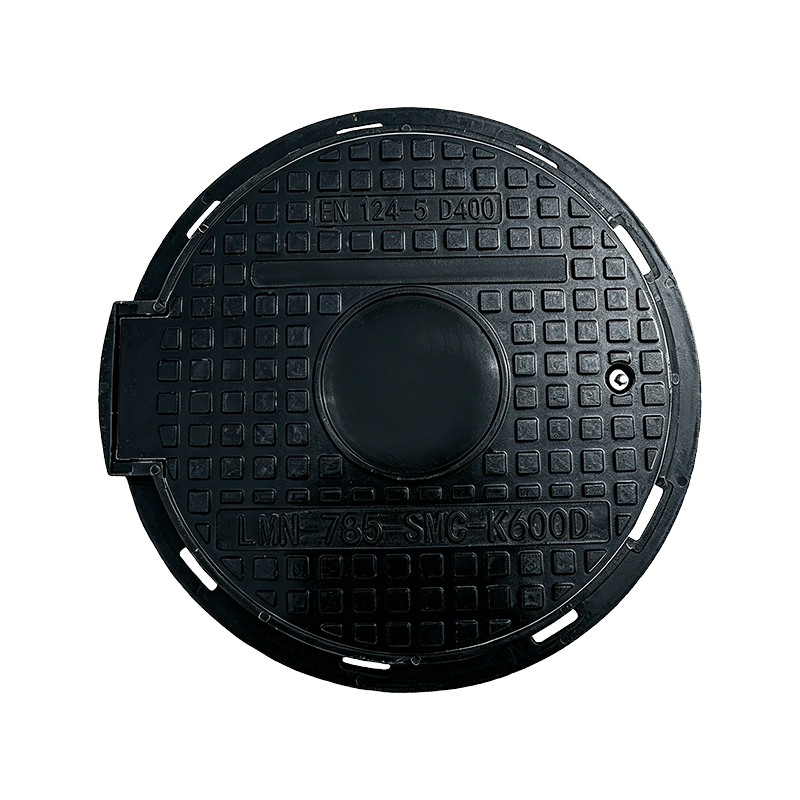
Modern SMC composite covers can be engineered to meet D400 load ratings, matching ductile iron for standard roadway use while weighing up to 60% less.
How long does a manhole cover typically last?
Ductile iron covers generally last 25–30 years, fiber-reinforced concrete around 20 years, and high-grade composite covers can exceed 30 years with proper installation.
Why do manhole covers rattle or make noise?
Noise usually indicates wear on the seating surface between the cover and frame, an incorrect fit, or debris buildup — all of which accelerate structural fatigue if left unaddressed.
What standards apply to manhole cover certification?
EN124 governs most European and export markets, AASHTO M306 applies in North America, and GB/T 23858 is the primary standard referenced in Chinese manufacturing and export documentation.
Can manhole cover theft be prevented?
Bolt-down locking systems, serial-number registration with recyclers, and switching to low-scrap-value composite materials are the three most effective deterrents.
What causes a manhole cover to crack under traffic?
The leading causes are an underrated load class for the actual traffic, uneven frame bedding, and repeated impact loading from high-speed or heavy vehicles.
Should I buy the cover and frame from the same manufacturer?
Yes — sourcing a matched frame-and-cover assembly from one manufacturer ensures the seating tolerance is engineered together, which significantly reduces rocking, noise, and premature wear.
Final Takeaway on Manhole Cover Selection
Selecting the right manhole cover comes down to matching load class, material, and locking system to the actual site conditions — then partnering with a manufacturer that engineers the frame and cover as one certified assembly. Buyers who follow a structured evaluation process consistently see fewer failures, lower theft losses, and a longer service life than those who select on price alone.
Need help specifying the right manhole cover for your project?
Our engineering team can review your load requirements and provide certified EN124/AASHTO test data for your next infrastructure tender.